
Blog
Discover our latest articles and blogs
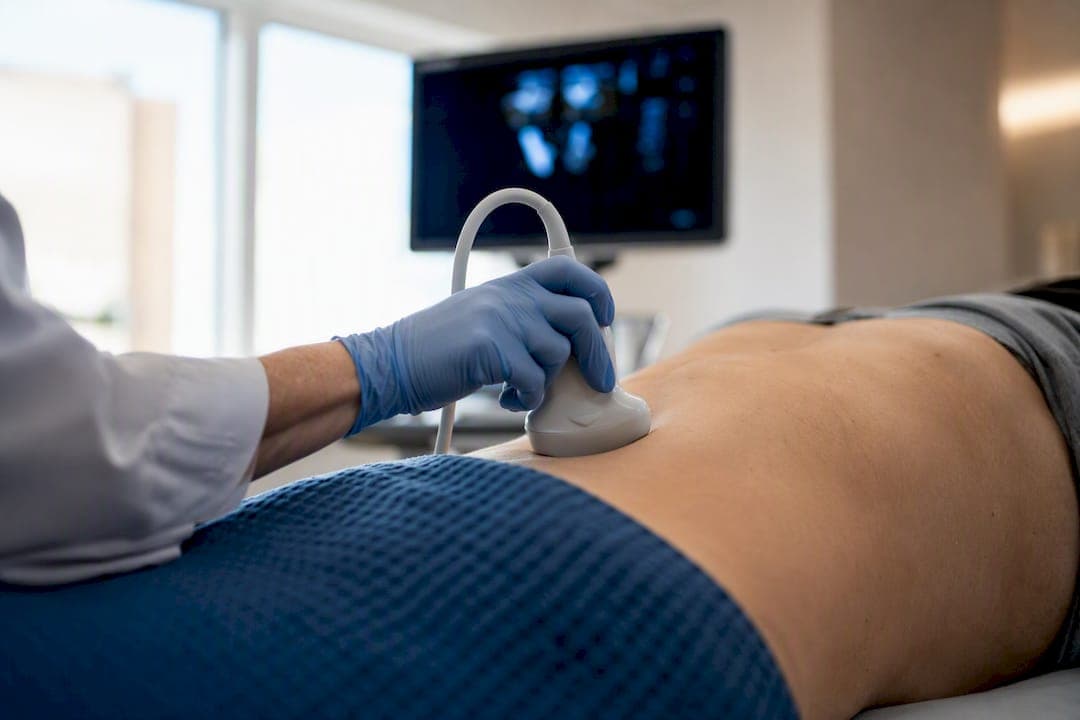
Elastography Evidence: GLP-1 for Fatty Liver, Patients & Clinicians
Trials and real-world elastography show GLP-1 increases MASH resolution odds and lowers liver stiffness. Evidence-first, practical guidance for patients,...

5 Minute Check: Dietitian vs Nutritionist When Meds Matter (U.S.)
U.S. clinician guide to choosing a Registered Dietitian or nutritionist. 5 minute credential/insurance check and why RDs matter with meds.

Weight Loss Patients Face 2.29× Gallbladder Risk With GLP‑1
GLP‑1s raise gallbladder and biliary risk—about 2.29× in weight‑loss patients. Read the evidence, key symptoms, and clinician monitoring and prevention steps.
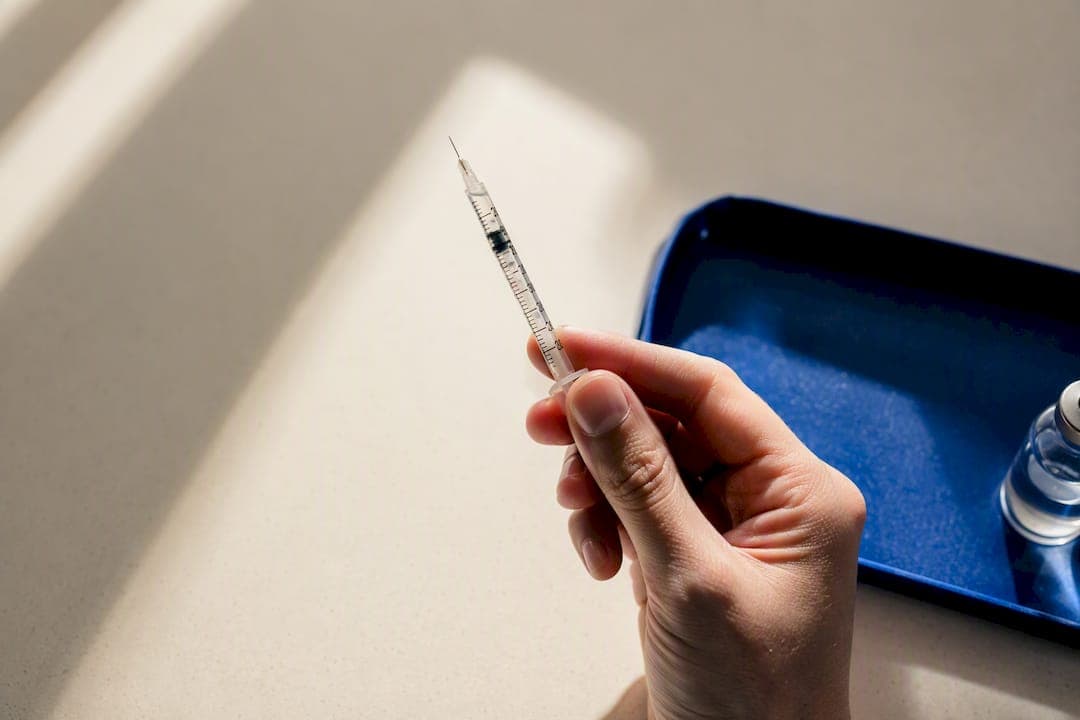
U.S. Patients: No Evidence for Microdosing Tirzepatide Below 2.5 mg
Evidence-first guidance for U.S. patients: why no trial supports tirzepatide microdosing, the compounded-supply risks to watch, and clinician-recommended...

Semaglutide and Thyroid Risk: Who Must Avoid It and When to Check TSH
Evidence first look at semaglutide's thyroid warning: what labels and studies say, who is contraindicated, and when to check TSH 6–12 weeks.

No Published Human RCTs: BPC-157 and Weight Loss for Patients
BPC-157 has no published human weight-loss trials. This evidence-first guide compares animal repair data with clinical gaps and lists questions patients...

How to Verify Peptide Therapy Is Legal in the U.S. in 2026
A U.S.-focused 2026 explainer of which peptides are FDA-approved or under review, with clear checks patients and clinicians can use to verify legal access.
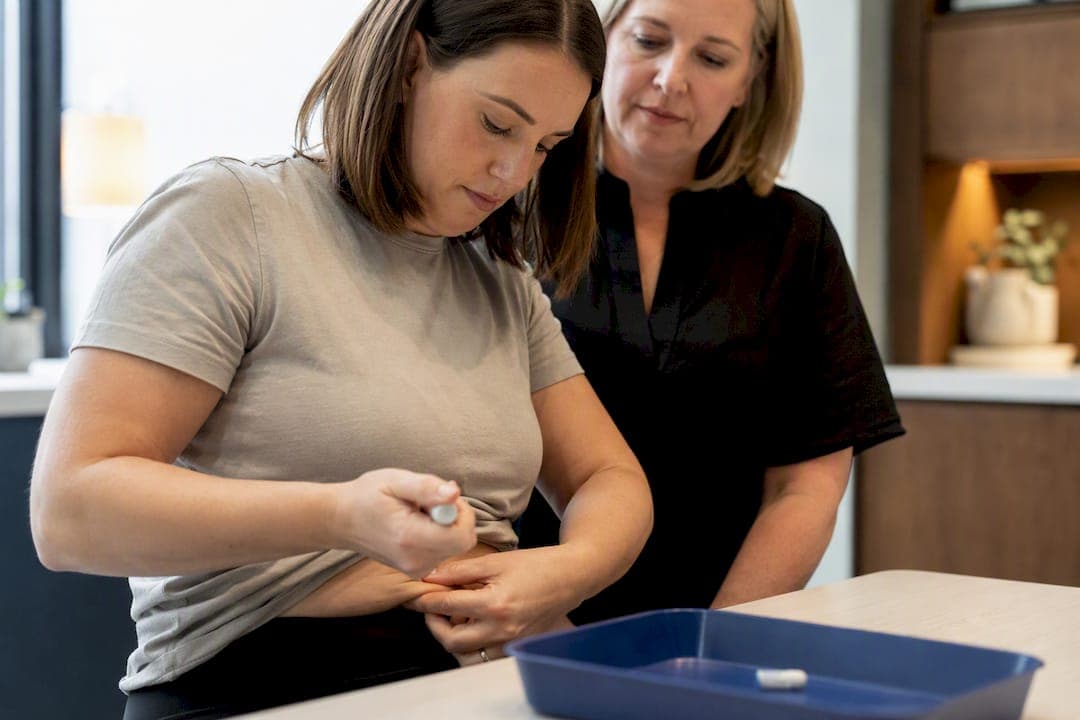
5–10s Rule: Clinician Led GLP-1 Injection Training and Sharps Safety
Clinician led GLP-1 injection training that walks you through stepwise technique, the 5–10 second hold, safe site rotation, and immediate sharps disposal...

FDA Warns: Semaglutide Base vs Salt, What U.S. Patients Must Verify
FDA warns semaglutide salts are not the same as the approved base. U.S. patients: checklist to verify active ingredient and sterility.