

Visceral fat is defined as the deep abdominal fat surrounding your organs, and it is the most metabolically dangerous fat type in the human body. A visceral fat reduction guide using GLP-1 receptor agonists gives you a clinically grounded path to address it. GLP-1 receptor agonists, including semaglutide and tirzepatide, reduce appetite, slow gastric emptying, and drive systemic fat loss that includes visceral adipose tissue. The evidence is clear: these medications work best when paired with targeted exercise and a protein-focused diet plan. This guide covers the mechanisms, the lifestyle protocols, and the monitoring strategies that produce real, lasting results.
How do GLP-1 receptor agonists reduce visceral fat?
GLP-1 receptor agonists reduce visceral fat through three interconnected mechanisms: appetite suppression, delayed gastric emptying, and systemic metabolic changes. Each mechanism compounds the others, making the combined effect stronger than any single pathway alone.
Appetite regulation is the most immediate effect. GLP-1 medications signal the hypothalamus to reduce hunger, which cuts daily caloric intake without requiring willpower-based restriction. Less caloric surplus means the body draws on stored fat, including visceral adipose tissue, for energy.

Delayed gastric emptying extends the feeling of fullness after meals. This reduces the frequency and size of meals naturally, reinforcing the caloric deficit created by appetite suppression.
The clinical outcomes are significant. A meta-analysis of 36 RCTs with 5,769 adults found that GLP-1 receptor agonists reduce visceral adipose tissue by 14.23% on average. Among specific drugs, retatrutide achieved reductions of 27.70% and tirzepatide reached 21.84%. These numbers place GLP-1 therapy among the most effective pharmacological tools available for visceral fat loss.
Key GLP-1 medications with documented visceral fat effects include:
- Semaglutide (Ozempic, Wegovy): well-studied, with significant visceral fat area reductions at 6 and 12 months
- Tirzepatide (Mounjaro, Zepbound): dual GIP/GLP-1 agonist with a 21.84% visceral fat reduction in meta-analysis data
- Retatrutide: triple agonist showing the highest visceral fat reduction at 27.70% in current trial data
GLP-1 drugs do not selectively target visceral fat. They drive systemic weight loss that includes visceral fat, subcutaneous fat, and some lean mass. That last point makes lifestyle integration non-negotiable, not optional.
What lifestyle factors enhance visceral fat reduction with GLP-1 treatments?
Exercise and diet are not add-ons to GLP-1 therapy. They are the factors that determine whether you lose fat or fat plus muscle, and whether results last beyond the treatment period.
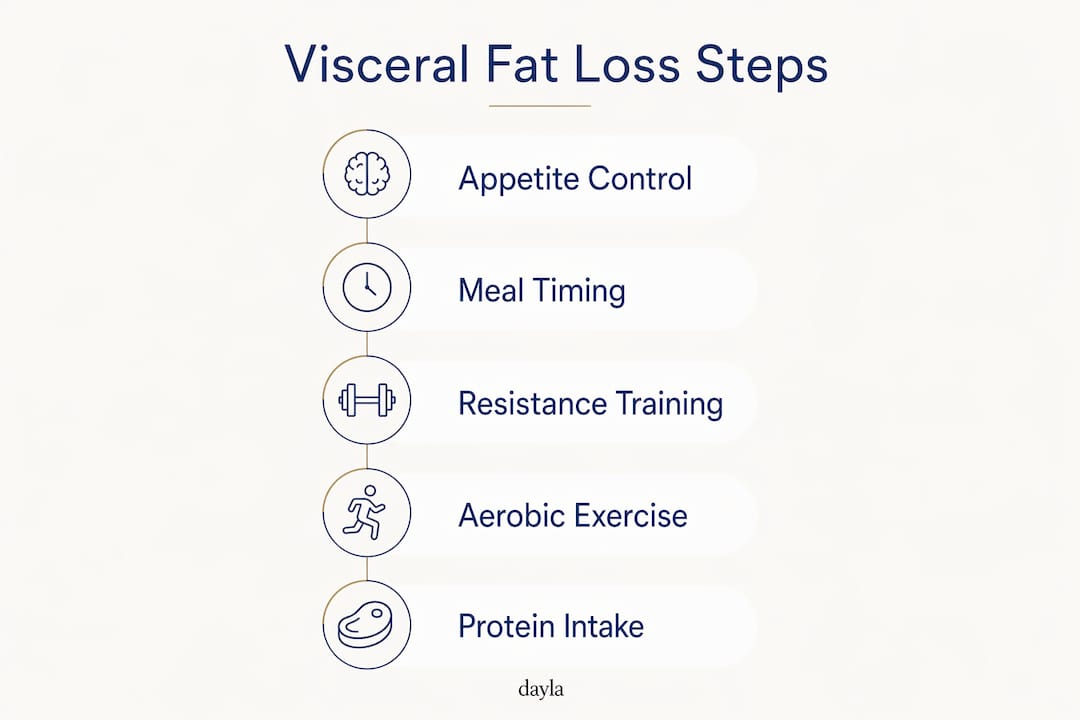
Exercise volume and type
Research shows that 730 MET-min/week of total exercise is the threshold at which visceral fat loss becomes significant during GLP-1 therapy. For high-intensity interval training (HIIT) alone, 400 MET-min/week is sufficient. To put that in practical terms, 730 MET-min/week equals roughly 150 minutes of moderate aerobic activity plus two strength training sessions per week.
The most effective exercise combination for GLP-1 patients is aerobic training plus resistance training. According to Dr. Apovian at Harvard Health, resistance and aerobic exercise combined represent the best approach for visceral fat reduction. Resistance training also converts white fat to metabolically active brown fat, which accelerates overall fat metabolism.
HIIT is effective but harder to sustain long-term. Combining moderate aerobic exercise with resistance training produces more consistent results for people on GLP-1 medications than HIIT alone.
Protein intake and diet structure
- Target 30 grams of protein per meal. Dietitians consistently recommend this threshold during GLP-1 therapy to preserve lean muscle mass and protect metabolic health during rapid weight loss.
- Prioritize nutrient-dense foods. GLP-1 medications reduce overall food volume. Every meal needs to deliver maximum nutritional value per calorie.
- Manage caloric intake without extreme restriction. GLP-1 already creates a deficit. Stacking severe caloric restriction on top increases muscle loss risk.
- Plan meals around GLP-1 appetite windows. Appetite suppression peaks in the hours after injection. Use that window to eat smaller, protein-rich meals without forcing food intake.
A structured GLP-1 meal planning approach helps you stay consistent without fighting the medication's natural appetite effects.
Pro Tip: Schedule your two weekly resistance training sessions on the days following your GLP-1 injection, when appetite suppression is strongest. Your body will preferentially use stored fat for fuel during those workouts.
The most common mistake people make on GLP-1 therapy is skipping resistance training entirely. Aerobic exercise alone does not preserve lean muscle mass. Without strength training, a significant portion of weight lost will come from muscle, not fat. That reduces your resting metabolic rate and makes long-term weight maintenance harder.
How to monitor and track visceral fat reduction progress
Tracking visceral fat loss requires combining practical daily measurements with periodic clinical assessments. No single method gives you the full picture.
Clinical imaging provides the most accurate data. CT scans and MRI directly measure visceral adipose tissue volume. DEXA scans measure body composition, including fat mass and lean mass separately. These tools are not available for weekly tracking, but a baseline scan and a follow-up at six months give you objective data that no scale can provide.
Practical daily tracking relies on anthropometric measurements:
- Waist circumference: the most accessible proxy for visceral fat. Measure at the navel level, same time each morning. A drop in waist circumference often precedes weight loss on the scale.
- Body composition scales: consumer-grade devices using bioelectrical impedance give directional data on fat mass versus lean mass. They are not as accurate as DEXA but track trends effectively.
- Progress photos: taken monthly under consistent lighting and posture, photos capture abdominal changes that measurements sometimes miss.
Visceral fat responds faster to lifestyle changes than subcutaneous fat. Clinical observations show initial visible reductions in abdominal circumference within 2–3 months, often before total body weight changes significantly on the scale. This is why waist circumference is a more motivating early metric than scale weight.
The realistic timeline for significant visceral fat reduction with GLP-1 therapy is 3–6 months. If progress stalls after that window, the protocol needs adjustment, not patience. Increasing exercise intensity, recalibrating protein intake, or reviewing medication dosage with your provider are the right responses to a plateau.
For a structured approach to monitoring your results, Daylahealth's guide on tracking GLP-1 progress covers benchmarks and adjustment strategies in detail.
What are common pitfalls when using GLP-1 for visceral fat reduction?
GLP-1 therapy is effective, but it creates specific risks that require active management. Knowing these pitfalls before they happen is the difference between sustainable fat loss and a frustrating plateau.
Common pitfalls to avoid:
- Skipping resistance training: GLP-1 medications cause some lean mass loss alongside fat loss. Without resistance training, that lean mass loss accelerates, reducing your metabolic rate.
- Under-eating protein: reduced appetite makes it easy to fall below 30 grams of protein per meal. Muscle breakdown follows quickly.
- Stopping medication abruptly: visceral fat can return rapidly without a structured maintenance plan. Transitions off GLP-1 therapy require medical guidance.
- Ignoring side effects: nausea, constipation, and fatigue are common early side effects. Managing them proactively, rather than stopping treatment, keeps you on track.
- Treating GLP-1 as a standalone solution: Dr. Harris at Scripps Health notes that GLP-1 medications work best after lifestyle modifications alone have proven insufficient, not as a replacement for them.
"Body composition optimization during GLP-1 treatment is the emergent clinical goal, prioritizing fat loss while preserving skeletal muscle to ensure metabolic stability." — GLP-1 body composition research
Medical supervision is not optional for safe GLP-1 use. Dosage adjustments, side effect management, and protocol modifications all require a provider who understands your full health picture. Personalized care produces better outcomes than self-directed protocols.
Pro Tip: At every provider visit, ask specifically about your lean mass, not just your total weight. A doctor-led approach that tracks body composition separately from scale weight will catch muscle loss early and adjust your plan before it becomes a problem.
For a full breakdown of GLP-1 benefits and side effect management, Daylahealth's resource on GLP-1 receptor agonists covers the clinical details clearly.
Key Takeaways
GLP-1 receptor agonists reduce visceral fat most effectively when combined with resistance training, adequate protein intake, and consistent medical supervision.
| Point | Details |
|---|---|
| GLP-1 drugs reduce visceral fat | Tirzepatide and retatrutide lead with reductions of 21.84% and 27.70% respectively in meta-analysis data. |
| Exercise volume matters | 730 MET-min/week of total exercise is the threshold for significant visceral fat loss during GLP-1 therapy. |
| Protein intake protects muscle | Target 30 grams of protein per meal to prevent lean mass loss during rapid weight loss. |
| Track waist circumference first | Visceral fat drops within 2–3 months, often visible in waist measurements before scale weight changes. |
| Medical supervision is required | Dosage, side effects, and body composition all need provider oversight for safe, lasting results. |
What I've learned from watching GLP-1 therapy work and fail
The patients who get the best results from GLP-1 therapy are not the ones who lose the most weight fastest. They are the ones who treat the medication as a tool for body composition change, not a shortcut to a lower number on the scale.
The most common failure pattern I see is this: someone starts semaglutide or tirzepatide, loses weight quickly, skips the gym because they feel tired, and ends up lighter but with a higher body fat percentage than when they started. The scale says success. The DEXA scan says otherwise.
The clinical evidence on GLP-1 and lifestyle integration is unambiguous. Resistance training and protein intake are not lifestyle bonuses. They are the mechanisms that make GLP-1 therapy produce lasting metabolic improvement rather than temporary weight loss.
The other thing worth saying plainly: visceral fat reduction is a metabolic goal, not an aesthetic one. Reducing visceral adipose tissue lowers cardiovascular risk, improves insulin sensitivity, and reduces systemic inflammation. Those outcomes matter more than waist size. When you frame the goal that way, the discipline required to follow through on exercise and nutrition becomes easier to sustain.
Long-term adherence is the real challenge with any GLP-1 protocol. The medication manages appetite. You still have to build the habits that keep visceral fat from returning when the medication changes or stops.
— Flexible
Daylahealth's GLP-1 and peptide options for visceral fat reduction
Reducing visceral fat with medical support starts with access to the right treatments, prescribed and monitored by qualified providers.

Daylahealth offers doctor-led GLP-1 weight loss prescriptions, including compounded formulations designed for personalized care. For patients looking to support recovery, lean mass preservation, and metabolic longevity alongside GLP-1 therapy, Daylahealth's peptide therapies provide clinically relevant options. Every treatment plan at Daylahealth is built around your specific health profile, not a one-size-fits-all protocol. If you are ready to address visceral fat with a structured, medically supported approach, Daylahealth's team is equipped to guide you from assessment through long-term maintenance.
FAQ
What is visceral fat and why does it matter?
Visceral fat is deep abdominal fat that surrounds your organs and drives metabolic dysfunction, including insulin resistance and cardiovascular disease. It is more dangerous than subcutaneous fat and responds faster to targeted interventions.
How long does GLP-1 therapy take to reduce visceral fat?
Most patients see significant visceral fat reduction within 3–6 months of GLP-1 therapy when combined with exercise and a protein-focused diet. Initial waist circumference changes are often visible within 2–3 months.
Do I need to exercise while taking GLP-1 medications?
Yes. Research shows that 730 MET-min/week of exercise is the threshold for meaningful visceral fat loss during GLP-1 therapy. Resistance training specifically prevents the lean muscle loss that GLP-1 medications can cause.
Which GLP-1 drug reduces visceral fat the most?
Retatrutide leads current data with a 27.70% visceral fat reduction, followed by tirzepatide at 21.84%, based on a meta-analysis of 36 randomized controlled trials involving 5,769 adults.
Can I reduce visceral fat without GLP-1 medications?
Diet and exercise alone reduce visceral adipose tissue by 18.19% on average according to the same meta-analysis. GLP-1 therapy adds to that effect, making the combination more effective than either approach alone.