

Short answer: over-the-counter peptide supplements do not reliably balance sex hormones, but a specific group of prescription peptides has real, targeted, FDA-approved uses. That distinction is the whole story, and most marketing pages blur it on purpose. The FDA, the World Anti-Doping Agency, and Daylahealth's own clinical team all draw the same line: peptide drugs with clinical trial data behave nothing like peptide supplements sold in capsule form at a wellness shop.
Here's the verdict broken down:
- OTC peptide supplements: Evidence for modulating estrogen, testosterone, or thyroid hormones is weak to nonexistent. Most are amino acid blends, not active hormones, and your digestive system dismantles them before they reach circulation.
- Prescription peptide medications: Several have specific, FDA-approved indications — GLP-1 receptor agonists for weight and metabolic disease, tesamorelin for visceral fat reduction, bremelanotide for hypoactive sexual desire disorder. These work through defined mechanisms, not vague "balance."
- Everything in between: Compounded peptides like BPC-157, CJC-1295, and Ipamorelin can serve as adjuncts to a broader care plan, but they are not universal hormone replacements and carry real gaps in long-term safety data.
If you're considering peptide therapy for hormone-related symptoms, the responsible first move is baseline lab work and a conversation with an endocrinologist or another licensed clinician who can interpret your results, not a supplement aisle.
Key Takeaways
Peptide supplements sold over the counter lack credible evidence for balancing sex hormones, while a specific set of prescription peptides has proven, FDA-backed uses for distinct conditions.
| Point | Details |
|---|---|
| OTC peptides lack proof | No credible trial evidence supports oral peptide supplements changing sex hormone levels in healthy adults. |
| A few peptides are proven | GLP-1 agonists, tesamorelin, and bremelanotide carry FDA approval for specific, defined indications. |
| Labs come before protocols | Baseline testing and a clinician consult should precede any peptide therapy decision. |
| Watch for red flags | Avoid "research use only" products, unclear sourcing, and clinics that skip lab monitoring. |
| Peptides support, don't replace | Peptide therapy works as an adjunct alongside nutrition and lifestyle, not a substitute for HRT when deficiency is confirmed. |
| Daylahealth pairs peptides with oversight | Daylahealth combines prescription peptides and GLP-1 care with labs, clinician evaluation, and ongoing monitoring. |
Table of Contents
- What Peptides Are and How They Interact With Hormones
- Key Peptides You'll Encounter and What the Evidence Actually Shows
- Peptide Therapy vs. Traditional Hormone Replacement Therapy
- What the Clinical Evidence Actually Supports
- What to Expect if You Pursue Peptide Therapy
- Safety, Side Effects, and Red Flags to Watch For
- How to Vet a Peptide Provider or Product Before You Commit
- What the Research Actually Supports, in Plain Terms
- Our Take: Skepticism Is the Right Default Here
- How Daylahealth Approaches Peptide Therapy
- Sources
What Peptides Are and How They Interact With Hormones
Peptides are short chains of amino acids, smaller than proteins but built from the same building blocks. Insulin is a peptide hormone made of 51 amino acids, and your body produces dozens of others that regulate everything from appetite to sleep, according to WebMD. Some peptides act as hormones themselves; others act as messengers that tell a gland to release a hormone somewhere else in the body.
The mechanism matters more than the marketing copy. A peptide typically works by binding to a specific receptor on a cell surface, which triggers a cascade: receptor activation, intracellular signaling, then a downstream effect on a gland or tissue. Growth hormone releasing peptides, for instance, bind receptors in the pituitary gland that stimulate growth hormone secretion. They don't add growth hormone directly. They nudge your own pituitary to produce more of it, which is a fundamentally different action than injecting the hormone itself.
Route of administration decides whether any of this reaches your bloodstream at all. Here's the chain: peptide → receptor binding → gland activation → downstream hormone release → systemic effect. Break that chain at step one and nothing downstream happens.
- Injectable peptides bypass the digestive system and enter tissue or bloodstream directly, which is why nearly every FDA-approved peptide drug is administered by injection.
- Oral peptide supplements pass through the stomach and intestines, where digestive enzymes break them down into individual amino acids, according to OPSS. At that point, they're just amino acids. Not a functioning peptide.
- Topical peptide products face similar barriers with skin absorption, though some smaller peptides used in dermatology can penetrate the outer skin layers.
Pro Tip: If a supplement label promises hormone balance from an oral peptide capsule, ask yourself whether it could survive stomach acid and intestinal enzymes intact. In almost every case, it can't, which is exactly why oral peptide products rarely reproduce the effects seen in injectable clinical studies.
Key Peptides You'll Encounter and What the Evidence Actually Shows
Search for hormone balance and peptides long enough, and you'll run into the same six names repeatedly. Some belong to FDA-approved drug classes. Others are compounded research chemicals with thin human data. Knowing which is which changes how you should weigh any claim made about them.
CJC-1295 is a growth hormone releasing hormone (GHRH) analog that extends the half-life of natural GH pulses. It's typically paired with Ipamorelin in compounded protocols aimed at recovery and body composition, though neither carries FDA approval for those uses.

Ipamorelin is a growth hormone releasing peptide (GHRP) that stimulates the pituitary with fewer effects on cortisol and appetite than older GHRPs, based on early research. Human trial data remains limited relative to approved GH-axis drugs.
GHRP-2 and GHRP-6 are older-generation growth hormone releasing peptides, both known for strong appetite stimulation as a side effect, alongside GH release. They circulate mostly through compounding pharmacies and research-chemical vendors, not FDA-approved channels.
Kisspeptin sits upstream of the reproductive hormone axis, triggering GnRH release, which in turn drives LH and FSH secretion. It's an active area of fertility research, particularly for hypothalamic amenorrhea, but it has no FDA-approved consumer product yet.
BPC-157 is a synthetic peptide derived from a protein found in gastric juice, studied mostly in animal models for tissue repair and gut healing. Human clinical trial data is sparse, and it holds no FDA approval for any indication.
GLP-1 receptor agonists, including semaglutide, sit in a different category entirely. These are FDA-approved peptide drugs backed by large trials like SURMOUNT-1, with well-documented effects on weight, glucose, and appetite regulation, according to a review of therapeutic peptides published in the International Journal of Molecular Sciences.
| Peptide | Mechanism | Intended Effect | Evidence Level | Route | Known Risks |
|---|---|---|---|---|---|
| CJC-1295 | GHRH analog, extends GH pulses | GH/IGF-1 elevation | Weak to moderate human data | Injection | Water retention, injection-site reaction |
| Ipamorelin | GHRP, pituitary GH stimulation | GH release with lower appetite spike | Weak human data | Injection | Headache, flushing |
| GHRP-2/GHRP-6 | GHRP, pituitary GH stimulation | GH and appetite increase | Weak, mostly older studies | Injection | Appetite surge, water retention |
| Kisspeptin | GnRH pathway activation | Reproductive hormone modulation | Emerging, research-stage | Injection (research) | Limited human safety data |
| BPC-157 | Proposed tissue repair signaling | Gut and soft-tissue healing | Animal data, limited human trials | Injection or oral | Unknown long-term effects |
| GLP-1 agonists (semaglutide) | Incretin receptor activation | Appetite suppression, glucose control | Strong, multiple RCTs | Injection or oral | GI symptoms, rare pancreatitis |
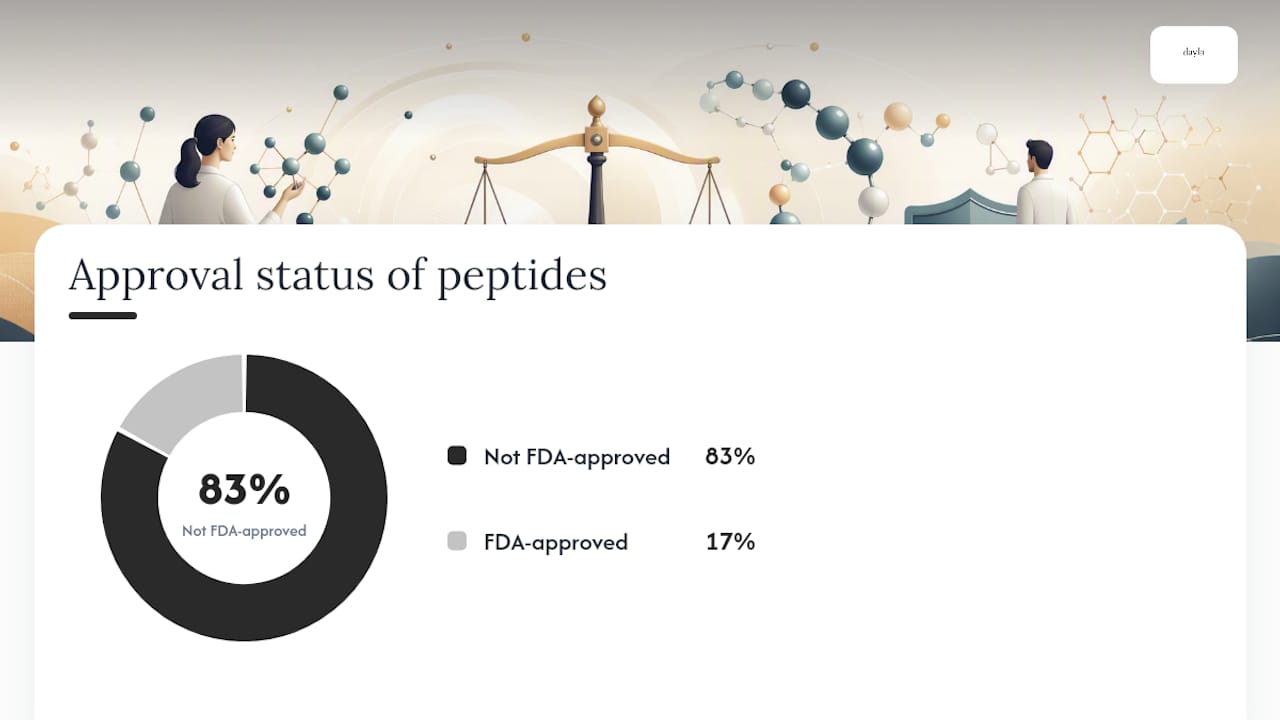
A few of these have earned FDA approval for narrow, well-defined indications: tesamorelin for HIV-associated lipodystrophy and bremelanotide for HSDD both fall into this stronger evidence tier, alongside GLP-1 drugs. The rest circulate mostly through compounding pharmacies or research-chemical marketplaces, where "hormone balance" becomes a catchall phrase for effects that haven't been proven in controlled human trials. Our ranked list of peptides for muscle preservation breaks down evidence quality for several of these compounds in more detail.
Peptide Therapy vs. Traditional Hormone Replacement Therapy
Peptides and HRT solve different problems, even though marketing sometimes lumps them together. HRT replaces a hormone your body isn't producing enough of. Peptide therapy usually works upstream, nudging a gland to produce more of something on its own. They are not interchangeable, and treating them as such can leave a real deficiency untreated.
- Goal of therapy: HRT restores a measured deficiency (low testosterone, low estrogen, hypothyroidism). Peptide therapy typically supports a signaling pathway or targets a specific symptom cluster like recovery or appetite.
- Monitoring: HRT relies on serial hormone panels (testosterone, estradiol, TSH) to hit a target range. Peptide protocols often monitor IGF-1, metabolic markers, or symptom response instead.
- Onset of effects: HRT can produce measurable lab changes within weeks. Peptide effects, where real, tend to build more gradually and vary by individual.
- Typical candidates: HRT suits people with a confirmed clinical deficiency. Peptide therapy is more often considered for adjunctive goals like recovery support once deficiency has been ruled out or addressed.
- Regulatory status: Most HRT formulations are FDA-approved drugs. Most peptides used for "balance" outside GLP-1s and a handful of approved drugs are compounded, unapproved, or sold as unregulated supplements.
Can peptides replace HRT? No. Peptides can support a treatment plan that includes HRT, but they don't substitute for replacing a hormone that's genuinely deficient. If labs show low testosterone or thyroid hormone, the evidence-based first step is HRT, managed by a clinician, not a peptide protocol marketed as an alternative.
What the Clinical Evidence Actually Supports
The gap between marketing language and trial data is the single biggest thing readers get wrong about this topic. A review of 106 articles on therapeutic peptides across metabolic, endocrine, and aesthetic uses found strong evidence for a narrow set of applications, and thin or absent evidence for most everything else marketed under the hormone-balance umbrella, according to MDPI's therapeutic peptides review.
The evidence gap in numbers: Most peptides marketed for hormone balance outside of GLP-1 receptor agonists, tesamorelin, and bremelanotide lack randomized controlled trial data in humans, and there is no credible clinical evidence that oral OTC peptide supplements can modulate sex hormones in healthy adults, according to OPSS.
Where the data is solid: GLP-1 receptor agonists for weight and metabolic outcomes, backed by trials like SURPASS-2 and SURMOUNT-1. Where it thins out fast: nearly every compounded peptide sold for "balance," recovery, or anti-aging purposes, where most available support comes from animal studies or user anecdotes rather than controlled human trials.
Regulatory signals reinforce this split. The FDA has approved a defined set of peptide drugs for specific conditions, while the World Anti-Doping Agency prohibits many peptide hormones and growth factors as performance-enhancing substances, a signal worth noting since some supplements have been found to contain undisclosed prescription peptides. Physicians surveyed by the American Medical Association note that dosing standards for many newer injectable peptides remain undefined, with most evidence for non-approved uses still anecdotal.
None of this is a substitute for individualized medical advice. If you're weighing peptide therapy against a suspected hormone imbalance, get baseline labs drawn and review them with a licensed clinician before starting anything.
What to Expect if You Pursue Peptide Therapy
Legitimate peptide therapy follows a structured path, not a one-time purchase. Here's how it typically unfolds under proper clinical oversight:
- Initial consult. A clinician reviews your symptoms, medical history, and goals to determine whether peptide therapy is appropriate at all.
- Baseline labs. Core panels usually include a comprehensive metabolic panel, fasting glucose or HbA1c, lipid panel, thyroid function (TSH, free T4), and relevant sex hormones (testosterone, estradiol) depending on symptoms.
- Personalized protocol design. Dosing, peptide selection, and administration route get matched to your labs and goals, not a one-size-fits-all template.
- Administration. Most effective peptides are injectable; some newer formulations offer oral or needle-free delivery with adjusted dosing to account for lower bioavailability.
- Follow-up and monitoring. Repeat labs track progress and catch adverse trends early, with adjustments made based on both symptoms and objective data.
Timelines vary by goal, and anyone promising instant results is overselling:
- Sleep and recovery changes are often the first thing people notice, sometimes within 2 to 4 weeks.
- Body composition shifts generally take longer to show up, often in the 8 to 12 week range.
- Metabolic outcomes, like those seen with GLP-1 therapy, vary widely based on dose, adherence, and individual response.
Cost shapes vary by clinic and protocol. Expect an initial consult and baseline lab fee, then either a per-medication cost or a bundled subscription that covers the prescription, ongoing monitoring, and clinician access. Prices vary considerably by region, peptide, and provider, so treat any flat number you see online with some skepticism. Telehealth and direct-to-consumer models have made prescription pathways more accessible, but qualification still depends on your labs and medical history, not just a completed questionnaire.
Safety, Side Effects, and Red Flags to Watch For
Peptide therapy isn't risk-free, and the side effect profile depends heavily on which peptide and which route you're using.
- Injection-site reactions — redness, swelling, or irritation — are the most common complaint across nearly all injectable peptides.
- GI symptoms — nausea, bloating, or changes in appetite — show up frequently with GLP-1 receptor agonists specifically.
- Fatigue and headaches appear as commonly reported short-term effects across several peptide classes, according to the American Medical Association.
- Water retention and joint stiffness can occur with growth hormone releasing peptides like CJC-1295 and the GHRPs.
Certain people should avoid peptide therapy altogether or proceed only under close specialist supervision, including anyone with a history of hormone-sensitive cancers, active pregnancy or breastfeeding, or uncontrolled diabetes. Clinical experts caution that disturbing hormone balance in an otherwise healthy person carries unknown long-term risks to organs like the liver and kidneys, a concern raised by Cedars-Sinai researchers studying peptides and aging.
Watch for these red flags before you buy anything:
- Products labeled "for research use only" being marketed for personal use.
- No sourcing transparency about where or how a peptide was manufactured.
- No lab testing offered or required before or during treatment.
- A clinic or vendor with no licensed clinician involved in oversight.
Pro Tip: If you start any peptide protocol, ask for a monitoring schedule up front. IGF-1, fasting glucose or HbA1c, and a lipid panel every few months is a reasonable baseline cadence for most GH-axis peptides, and you should keep copies of every lab result for your own records.
How to Vet a Peptide Provider or Product Before You Commit
Not every clinic offering peptide therapy operates the same way, and the gap between a well-run program and a risky one usually shows up in the details you have to ask about directly.
Questions worth asking any clinician before starting: What's the evidence behind this specific peptide for my situation? What baseline labs do you require, and how often will we repeat them? Who is actually writing the prescription, and where is it filled? What's the protocol if I have an adverse reaction?
On the product side, look for prescription status through a licensed pharmacy, a certificate of analysis confirming purity, and sterility assurances for anything injectable. Products sourced through unregulated research-chemical vendors often lack these guarantees entirely, and contamination risk rises accordingly, according to USADA's guidance on peptide hormones.
Red flags repeat across bad actors in this space: vendors who won't disclose sourcing, clinics that skip baseline labs entirely, and any product marketed with "research use only" language while being sold for personal consumption. Our breakdown of common peptide therapy misconceptions covers several of these marketing tactics in more detail.
Pro Tip: Request a written follow-up plan before you start, not after. A legitimate provider can tell you exactly when your next labs are due and what specific results would trigger a dose change.
What the Research Actually Supports, in Plain Terms
The strongest peptide evidence clusters around a small set of approved uses: GLP-1 receptor agonists for metabolic disease, tesamorelin for visceral fat reduction in specific populations, and bremelanotide for hypoactive sexual desire disorder. Everything past that tier gets thinner fast, with most compounded and OTC peptides resting on animal studies, small pilot data, or user reports rather than controlled trials.
Daylahealth's clinical position reflects that gap directly: we treat peptides as tools that belong inside a supervised plan, with labs, coaching, and follow-up built in, not as over-the-counter shortcuts to a hormone problem you haven't actually diagnosed. That's a meaningfully different posture than most DTC peptide marketing takes, and it's the one the evidence supports.
For readers who want to go straight to primary sources, the MDPI review of therapeutic peptides covers the metabolic and endocrine evidence base in depth, and our own peptide therapy use cases guide walks through where the research is strongest by indication.
None of this is a substitute for personalized medical advice. Talk to your clinician before starting or changing any peptide protocol.
Our Take: Skepticism Is the Right Default Here
Peptide marketing has outrun peptide science, and that gap is where most consumer harm happens. The phrase "hormone balance" gets attached to products that, by their own ingredient panels, have no plausible mechanism to touch your endocrine system. Medical professionals have flagged this directly: the phrase often functions as a positioning tactic rather than a description backed by rigorous trial data, according to Harvard Health.
That doesn't mean every peptide is snake oil. It means the burden of proof should sit with the product, not the buyer's hope that it works. A handful of peptide drugs have earned their evidence the hard way, through trials, FDA review, and years of clinical use. Most haven't, and pretending otherwise does readers a disservice.
The approach that actually holds up is boring by design: get labs drawn, work with a clinician who can interpret them, and treat peptides as one tool inside a larger plan that includes nutrition, sleep, and exercise, not a replacement for any of it. When a real deficiency shows up on a lab report, treat the deficiency. When a peptide has genuine trial support for your specific situation, use it under supervision. Skip everything that asks you to trust a label instead of a lab result.
How Daylahealth Approaches Peptide Therapy
Daylahealth's model is built around the gap this article just walked through: clinical oversight instead of guesswork. Every peptide or GLP-1 prescription starts with a clinician evaluation and baseline labs, not a checkout page, and continues with ongoing monitoring so dosing gets adjusted based on your actual results rather than a fixed template.

That structure matters because so much of the peptide market skips exactly these steps. Daylahealth pairs prescription peptides and compounded options, including injectable options like BPC-157 and growth-hormone axis peptides, with dietitian consults and care coaching, all shipped directly with no insurance requirement. If you're managing weight through GLP-1 prescription care, the same clinical oversight applies: labs first, protocol second, follow-up built into the subscription. This is general information, not a substitute for individualized medical advice; your own history and labs determine what's appropriate for you. The next step is straightforward: start an intake evaluation to see which options, if any, fit your labs and goals.
Sources
- Peptide hormones as ingredients in supplements
- Therapeutic Peptides in Aesthetic, Metabolic and Endocrine Conditions: Effects, Safety, Clinical Applications, and Future Perspectives
- What doctors want patients to know about injectable peptides | American Medical Association
- Peptides and aging: potential benefits and risks | Cedars‑Sinai
- What are peptides? | WebMD