
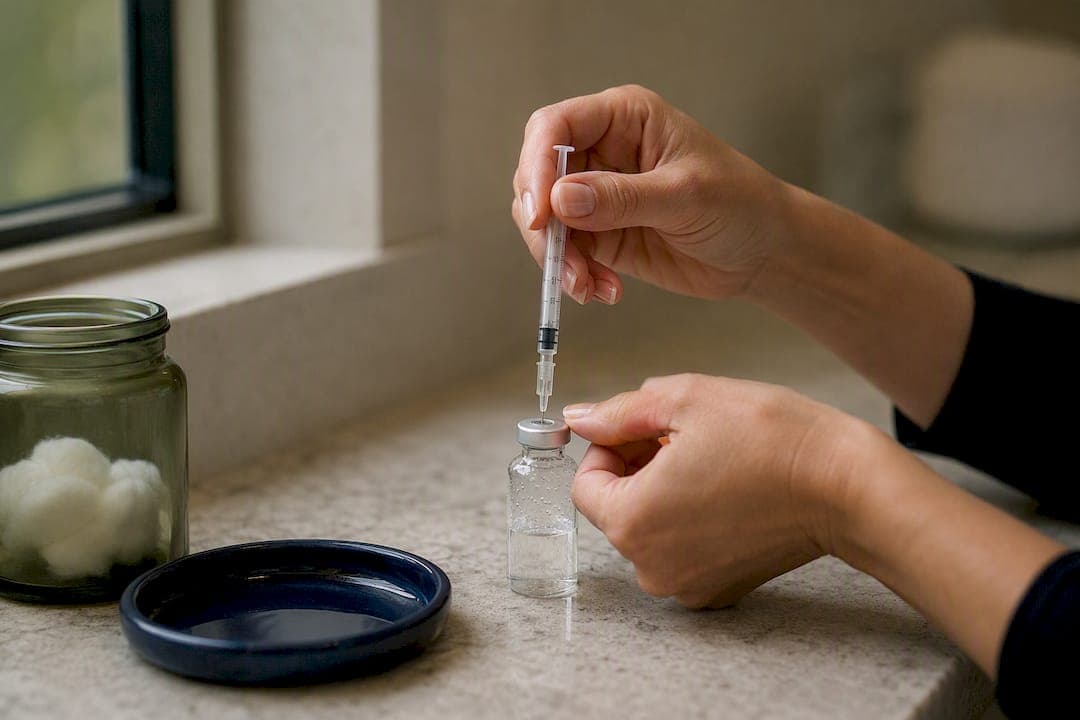
GLP-1 medications fall into two dosing rhythms: weekly injectables (semaglutide, tirzepatide, dulaglutide, exenatide extended-release) and daily options (liraglutide, plus oral semaglutide's 30-day step-ups). Nearly every agent starts at a low "priming" dose and increases on a fixed schedule, usually every 4 weeks, to reduce nausea while the body adjusts.
Typical starting points: semaglutide at 0.25 mg weekly, liraglutide at 0.6 mg daily, and tirzepatide at 2.5 mg weekly. None of these starter doses are meant to treat anything on their own. They exist to prime tolerability before the real work begins.
Three things worth bringing to your next appointment:
- Your target maintenance dose, which depends on whether you're treating type 2 diabetes or pursuing weight management.
- The minimum number of weeks your prescriber wants you to stay on each step before moving up.
- The specific signs that mean you should slow down, hold steady, or extend a step rather than escalate on schedule.
Key Takeaways
GLP-1 dosing schedules succeed when starter doses prime tolerability, escalation follows label-set intervals of about 4 weeks, and prescribers individualize the pace based on symptoms and lab results.
| Point | Details |
|---|---|
| Starting doses are deliberately low | Semaglutide starts at 0.25 mg weekly, liraglutide at 0.6 mg daily, and tirzepatide at 2.5 mg weekly to prime tolerability. |
| Escalation intervals matter | Most labels require at least 4 weeks per step, though Wegovy and Rybelsus use fixed 16-day and 30-day windows. |
| Indication changes the target | Wegovy climbs to 2.4 mg for weight management, while Ozempic maxes at 2 mg for type 2 diabetes. |
| GI symptoms can pause escalation | Extending a step by 4 weeks is label-permitted for most agents, not an off-label workaround. |
| Daylahealth individualizes the plan | Daylahealth pairs clinician-reviewed titration with dietitian support and care coaching throughout treatment. |
Table of Contents
- What Does a Typical GLP-1 Dosing Schedule Look Like?
- How Each GLP-1 Medication Is Titrated Step by Step
- Why Do GLP-1 Doses Increase So Slowly?
- How Do You Take a GLP-1 Injection and Handle a Missed Dose?
- What Are the Safety Rules and Contraindications to Know?
- When Should You Contact Your Clinician About GLP-1 Symptoms?
- How Daylahealth Supports Safe GLP-1 Titration
- Frequently Asked Questions
- Sources
What Does a Typical GLP-1 Dosing Schedule Look Like?
Every major GLP-1 receptor agonist follows a label-defined path from starter dose to maintenance, but the pace and ceiling vary by drug and by indication. The table below reflects FDA-approved dosing timelines compiled from product labeling and NCBI Bookshelf's Table 7, which aggregates subcutaneous GLP-1 RA dosing across agents.
| Medication | Starting dose | Titration steps & timing | Typical maintenance range | Max approved dose | Frequency | Indication notes |
|---|---|---|---|---|---|---|
| Semaglutide (Ozempic) | 0.25 mg weekly | 0.25→0.5→1→2 mg, ≥4 weeks per step | 0.5–2 mg | 2 mg (T2D) | Weekly | Approved for type 2 diabetes |
| Semaglutide (Wegovy) | 0.25 mg weekly | 0.25→0.5→1.7→2.4 mg over 16 weeks | 2.4 mg | 2.4 mg, higher in select cases | Weekly | Approved for weight management |
| Oral semaglutide (Rybelsus) | 3 mg daily | 3→7→14 mg, 30 days per step | 7–14 mg | 14 mg | Daily, fasting | Type 2 diabetes |
| Tirzepatide | 2.5 mg weekly | +2.5 mg every 4 weeks | 5–15 mg | 15 mg | Weekly | Both T2D and weight management |
| Liraglutide (Victoza) | 0.6 mg daily | 0.6→1.2→1.8 mg, weekly steps | 1.2–1.8 mg | 1.8 mg | Daily | Type 2 diabetes |
| Liraglutide (Saxenda) | 0.6 mg daily | Weekly increase to 3.0 mg | 3.0 mg | 3.0 mg | Daily | Weight management |
| Dulaglutide (Trulicity) | 0.75 mg weekly | Increase to 1.5, 3, or 4.5 mg as needed | 0.75–4.5 mg | 4.5 mg | Weekly | Type 2 diabetes |
| Exenatide (Byetta) | 5 mcg twice daily | Increase to 10 mcg after 1 month | 10 mcg twice daily | 10 mcg BID | Twice daily | Type 2 diabetes |
| Exenatide ER (Bydureon) | 2 mg weekly | No titration; fixed dose | 2 mg | 2 mg | Weekly | Type 2 diabetes |
Common adverse effects during any of these titration windows are nausea, vomiting, diarrhea, and constipation. Most labels, including Wegovy's, permit extending a step if GI symptoms are significant rather than forcing you to escalate on the calendar date.
- Every weekly injectable allows changing your injection day, as long as at least 48 hours separate doses.
- Oral semaglutide is the outlier: it must be taken fasting, with no more than 120 mL of water, and you need to wait at least 30 minutes before eating or taking other medications.
- Renal function and comorbidities factor into how aggressively a prescriber escalates you, not just the calendar.
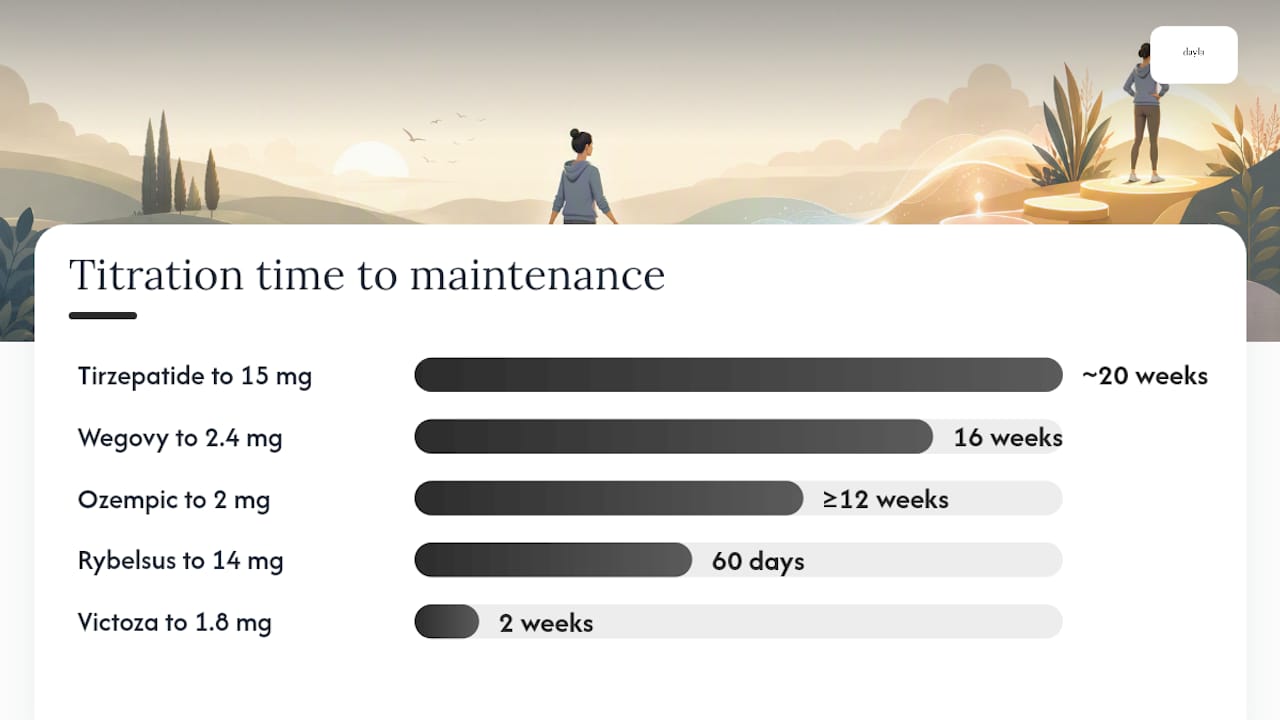
The 16-week climb to 2.4 mg with Wegovy and the roughly 20-week climb to 15 mg with tirzepatide are both intentionally slow. That pacing isn't arbitrary. It's the mechanism the FDA-approved labeling uses to keep GI side effects manageable while the drug builds toward a dose that actually works.
How Each GLP-1 Medication Is Titrated Step by Step
Semaglutide (Ozempic, for type 2 diabetes). Treatment starts at 0.25 mg once weekly for 4 weeks. This dose doesn't meaningfully affect blood sugar. It's there to reduce nausea once you move to therapeutic levels. After 4 weeks, you step up to 0.5 mg weekly. If more glycemic control is needed, the prescribing information allows an increase to 1 mg after at least 4 weeks on 0.5 mg, and optionally to 2 mg after at least 4 weeks on 1 mg. If you miss a dose, you can administer it within 5 days of the missed date.
Semaglutide (Wegovy, for weight management). The escalation is more gradual and fully mapped: 0.25 mg for weeks 1 through 4, 0.5 mg for weeks 5 through 8, 1 mg for weeks 9 through 12, 1.7 mg for weeks 13 through 16, then maintenance at 2.4 mg as explained in Ozempic vs Wegovy: What Patients Need to Know. The Wegovy label notes that some patients may benefit from a higher dose in select circumstances. If you miss two or more consecutive weekly doses, guidance calls for restarting at a lower dose rather than resuming where you left off, to limit GI flare-ups.
Oral semaglutide (Rybelsus). This is structurally different from injectable semaglutide because of low bioavailability and strict fasting requirements. Dosing runs on 30-day increments instead of weekly ones: 3 mg daily for 30 days, then 7 mg daily for 30 days, then 14 mg daily as maintenance. It must be swallowed on an empty stomach with a small sip of water, and you need to wait half an hour before eating, drinking anything else, or taking other oral medications.
Tirzepatide (Mounjaro, Zepbound). Starting dose is 2.5 mg weekly for 4 weeks, a priming period with no expected therapeutic effect. From there, the schedule increases by 2.5 mg every 4 weeks, moving through 5, 7.5, 10, and 12.5 mg on the way to a maximum of 15 mg. Reaching the top dose can take around 20 weeks.
Liraglutide (Victoza for diabetes, Saxenda for weight loss). Both start at 0.6 mg daily, but that dose exists purely for tolerability. Victoza increases to 1.2 mg after one week, with an optional step to 1.8 mg for additional glycemic control. Saxenda follows a longer weekly climb up to 3.0 mg daily for weight management, one of the steeper daily-injection schedules on the market.
Dulaglutide (Trulicity). This weekly injectable starts most patients at 0.75 mg, with increases to 1.5 mg, 3 mg, or 4.5 mg depending on how much additional glycemic control is needed. There's no separate weight-management indication or schedule for dulaglutide.
Exenatide (Byetta, Bydureon). Byetta is the twice-daily short-acting option, starting at 5 mcg before meals and increasing to 10 mcg twice daily after a month if tolerated. Bydureon, the extended-release weekly version, uses a single fixed 2 mg dose with no titration at all, which makes it structurally simpler but less flexible for patients who need a gentler on-ramp.
- Priming doses (Ozempic's 0.25 mg, Saxenda's 0.6 mg, tirzepatide's 2.5 mg) are not expected to produce meaningful glycemic or weight effects.
- Nausea, mild constipation, and appetite changes are the most common side effects during the first few escalation steps.
- If you're switching between subcutaneous and oral semaglutide, treat it as starting fresh. The absorption and titration logic don't map onto each other.
Pro Tip: Keep a simple log of your injection or dosing date next to any GI symptoms. When you call your prescriber about nausea, having "day 12 of 0.5 mg, moderate nausea after meals" ready speeds up the conversation and often leads directly to an extended step.
Titration schedules differ in more than just numbers. Wegovy reaches its 2.4 mg maintenance dose in about 16 weeks, while tirzepatide can take closer to 20 weeks to reach 15 mg. Knowing that upfront changes how patients interpret slower progress, especially when comparing notes with someone on a different medication.
If you're just getting started, our guide on beginning GLP-1 treatment walks through what the first few weeks typically feel like before the schedule above starts making practical sense.
Why Do GLP-1 Doses Increase So Slowly?
Gradual escalation exists almost entirely to manage the gastrointestinal system's adjustment period. GLP-1 receptor agonists slow gastric emptying, and a sudden jump to a therapeutic dose tends to produce nausea and vomiting severe enough that many patients would quit before the medication has a chance to work. The priming dose gives the gut time to adapt.
Therapeutic effects on appetite or blood sugar generally aren't expected at the starting dose. They build as you approach maintenance, which is one reason the Mayo Clinic monograph stresses individualized dosing based on response, comorbidities, and renal function rather than a fixed timeline for everyone.
Reasons to slow down or pause an escalation include:
- Persistent nausea, vomiting, or diarrhea that doesn't ease after a few days on a new dose.
- Signs of dehydration, which can compound kidney strain in patients with existing renal concerns.
- Acute illness unrelated to the medication that makes GI symptoms harder to sort out.
- Any adverse effect significant enough that your prescriber wants more data before increasing further.
Most labels permit extending a step, and clinicians use this option often. Watch weight trends, glucose logs, and how you're tolerating meals. A sharp change in any of these, especially alongside new symptoms, is worth a call before your next scheduled increase.
Pro Tip: If GI symptoms are getting in the way, ask your prescriber about extending your current step by 4 extra weeks before moving up. This is label-permitted for most GLP-1 agents, not an off-label workaround, and it often resolves the issue without abandoning the schedule entirely.
For a deeper walk-through of managing symptoms during this window, see our side effects management plan.
How Do You Take a GLP-1 Injection and Handle a Missed Dose?
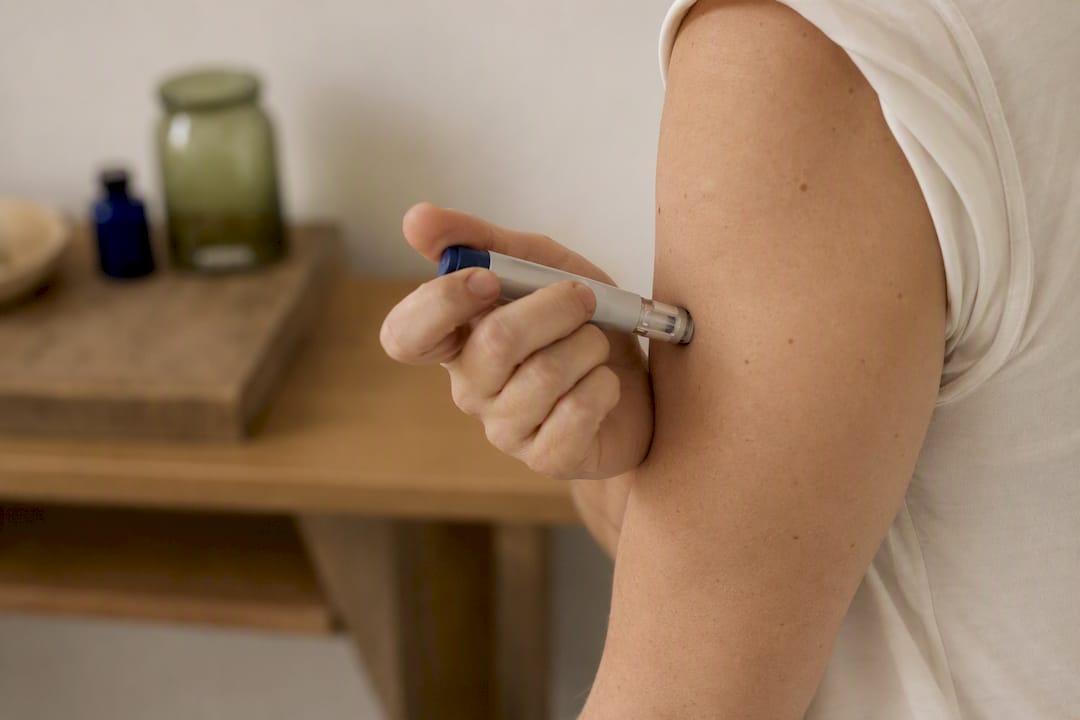
Injectable GLP-1s go into subcutaneous tissue, typically the abdomen, thigh, or upper arm, with sites rotated to avoid irritation. Injectables don't need to be timed around meals; oral semaglutide does, requiring a fasted stomach and a 30-minute wait before food.
Missed-dose rules differ by drug. Ozempic allows administration within 5 days of a missed dose. Wegovy has similar guidance but recommends restarting escalation at a lower dose if two or more consecutive weekly doses are missed. Rybelsus simply resumes the next day at the usual time; there's no catch-up dose because it's daily.
Pen "units" confuse a lot of patients. A pen labeled for 2 mg per 1.5 mL might deliver dose increments in "clicks" or units that don't correspond 1:1 to milligrams the way a syringe would. Thirty units on one pen concentration could equal a fraction of a milligram; on another, it could be close to a full therapeutic dose. Never assume unit counts translate the same way across different pens or brands. Confirm the conversion with your pharmacist or prescriber before injecting.
- Rotate injection sites weekly to reduce irritation.
- Confirm at least 48 hours between doses if you're shifting your weekly injection day for travel.
- Never guess at unit-to-mg conversion between different pen devices.
Pro Tip: If a trip means your usual injection day falls mid-flight, move the dose earlier in the week rather than later, as long as you keep the 48-hour minimum interval. It's easier to explain a slightly early dose to your prescriber than a delayed one that pushes you close to a missed-dose window.
What Are the Safety Rules and Contraindications to Know?
Nausea, vomiting, diarrhea, and constipation are the most frequently reported adverse effects during escalation, and most resolve with dietary adjustment, dose extension, or occasionally short-term antiemetics. Smaller, lower-fat meals tend to ease symptoms; our diet guidance for GLP-1 treatment covers this in more detail.
Absolute contraindications include a personal or family history of medullary thyroid carcinoma or Multiple Endocrine Neoplasia syndrome type 2 (MEN 2), based on thyroid C-cell tumor findings in animal studies across the GLP-1 class. Pregnancy is another contraindication; GLP-1 therapy is typically discontinued at least two months before a planned pregnancy given the unknown effects on fetal development.
| Assessment | When to check | Why it matters |
|---|---|---|
| Renal function | Baseline, then periodically | GI-related fluid loss can strain kidney function |
| Pregnancy test | Baseline for reproductive-age patients | Contraindicated once pregnancy is confirmed |
| Thyroid/family history review | Baseline | Screens for medullary thyroid carcinoma or MEN 2 risk |
| Weight and glucose trends | Every visit or per care plan | Confirms therapeutic response, guides titration pace |
| GI symptom check-in | Each dose escalation | Determines whether to proceed, extend, or hold a step |
Roughly a quarter of patients on higher-dose GLP-1 therapy report at least one gastrointestinal symptom during active titration, based on the adverse-event patterns documented in Wegovy's labeling, which is exactly why the step-based approach exists instead of a single jump to maintenance.
When Should You Contact Your Clinician About GLP-1 Symptoms?
Call the same day for severe abdominal pain, persistent vomiting, symptoms suggesting pancreatitis, signs of dehydration, or any allergic reaction. These aren't wait-and-see symptoms.
Report promptly, but not necessarily urgently: nausea that stays intolerable even after a step extension, rapid weight loss paired with lightheadedness or low blood pressure, or constipation that isn't responding to dietary changes. Keep a simple symptom log and bring it to every appointment. It turns a vague "I've felt off" into something your prescriber can actually act on.
A titration schedule only works with real oversight
Every dosing table in this guide comes from FDA labeling, and every one of those labels assumes a prescriber is adjusting the pace to fit the person in front of them, not the calendar. Individualized dosing, ongoing check-ins, and patient education aren't optional add-ons to a GLP-1 plan. They're the difference between a schedule that works and one that gets abandoned around week six.
How Daylahealth Supports Safe GLP-1 Titration
Daylahealth builds its GLP-1 program around the same principle this guide is based on: dosing that adjusts to you, not a rigid calendar. Every patient starts with a clinician evaluation before any prescription is issued, and titration decisions, including step extensions for GI intolerance, are made with ongoing physician oversight rather than a one-size-fits-all protocol.

The subscription includes medication delivery, care coaching, and dietitian support, so questions about nausea, appetite changes, or injection timing don't sit unanswered between appointments. You get monitoring built into the plan, not bolted on after a problem shows up.
If you're ready to start a titration plan with a clinician who reviews your history, comorbidities, and response before adjusting your dose, explore Daylahealth's GLP-1 program and begin the intake process today.
Frequently Asked Questions
What is the standard GLP-1 dosing schedule for weight loss versus diabetes? Weight-management dosing, as with Wegovy, escalates more gradually toward a higher maintenance dose (2.4 mg weekly) than diabetes dosing with Ozempic, which typically maxes out at 2 mg weekly. The starting doses are identical; the endpoints differ.
What dose should you start tirzepatide at? Tirzepatide starts at 2.5 mg weekly for 4 weeks as a tolerability-priming dose, then increases by 2.5 mg every 4 weeks toward a maximum of 15 mg, depending on indication and response.
When is the best time to take semaglutide? Injectable semaglutide can be taken any day of the week, with or without food, as long as at least 48 hours pass between doses. Oral semaglutide (Rybelsus) must be taken fasting, first thing in the morning, with a small amount of water.
What happens if 30 units on a GLP-1 pen sounds like a lot? It depends entirely on the pen's concentration. Unit counts don't translate the same way across different pen strengths or brands, so 30 units could represent very different milligram amounts. Confirm your specific pen's conversion with your pharmacist rather than comparing unit counts with someone using a different device.
How long does it take for GLP-1 titration to reach maintenance dose? It varies by drug. Wegovy reaches its 2.4 mg maintenance dose in about 16 weeks, while tirzepatide can take up to 20 weeks to reach 15 mg. Ozempic's escalation depends on how many optional steps a patient needs for glycemic control.
Can you skip steps in a GLP-1 titration schedule? No. Skipping steps increases the risk of severe GI side effects and isn't supported by FDA labeling for any major GLP-1 agent. If a lower dose isn't working, the appropriate move is discussing acceleration with your prescriber, not self-adjusting.
This article is general information, not a substitute for advice from a qualified doctor. Consult a qualified healthcare professional about your own circumstances before acting on anything here.
Sources
- DailyMed - OZEMPIC- semaglutide injection, solution
- Table 7—Dosing for GLP-1 RAs (Administered Subcutaneously) Indicated for Both T2DM and Weight Management — NCBI Bookshelf
- Semaglutide (subcutaneous route) - Mayo Clinic
- GLP-1 Titration Schedules — FDA-Approved Dose Escalation Reference | Novapharmanews