

A GLP-1 side effects management plan is a personalized set of strategies designed to reduce nausea, vomiting, diarrhea, and constipation so you can stay on your medication and get results. GLP-1 medication side effects affect the majority of patients at some point during treatment, with nausea occurring in 22.8% to 70% of people depending on the drug and dose. The good news is that most side effects peak in the first two to four weeks at each dose step and resolve within two to three months at a stable dose. With the right approach, including slow titration, dietary adjustments, and targeted symptom control, you can stay comfortable and keep moving forward.
What is a GLP-1 side effects management plan?
A GLP-1 side effects management plan combines three core elements: individualized dose escalation, behavioral and dietary changes, and symptom-specific interventions. Clinicians and researchers often refer to this as the "Three E's" framework: Education, Escalation, and Effective management. Each element works together. Education sets realistic expectations. Escalation controls how fast you increase your dose. Effective management gives you tools to handle symptoms when they appear.
The most common GLP-1 medication side effects are gastrointestinal. Constipation affects 25 to 40% of patients, reflux affects 15 to 25%, and vomiting occurs in roughly 9% of cases. These numbers sound significant, but they drop sharply once your dose stabilizes. The practical benefit of following a structured plan is clear: patients who manage side effects proactively are far less likely to discontinue treatment early, which means better long-term weight loss outcomes.

How does slow dose titration reduce side effects?
Slow dose titration is the single most effective method for reducing GLP-1 side effects, and the labeled escalation schedule is a minimum floor, not a required target. This distinction matters. Many patients and even some providers treat the four-week escalation schedule printed on the label as mandatory. It is not. You and your prescriber can hold at any dose step for two to twelve weeks if side effects are significant.
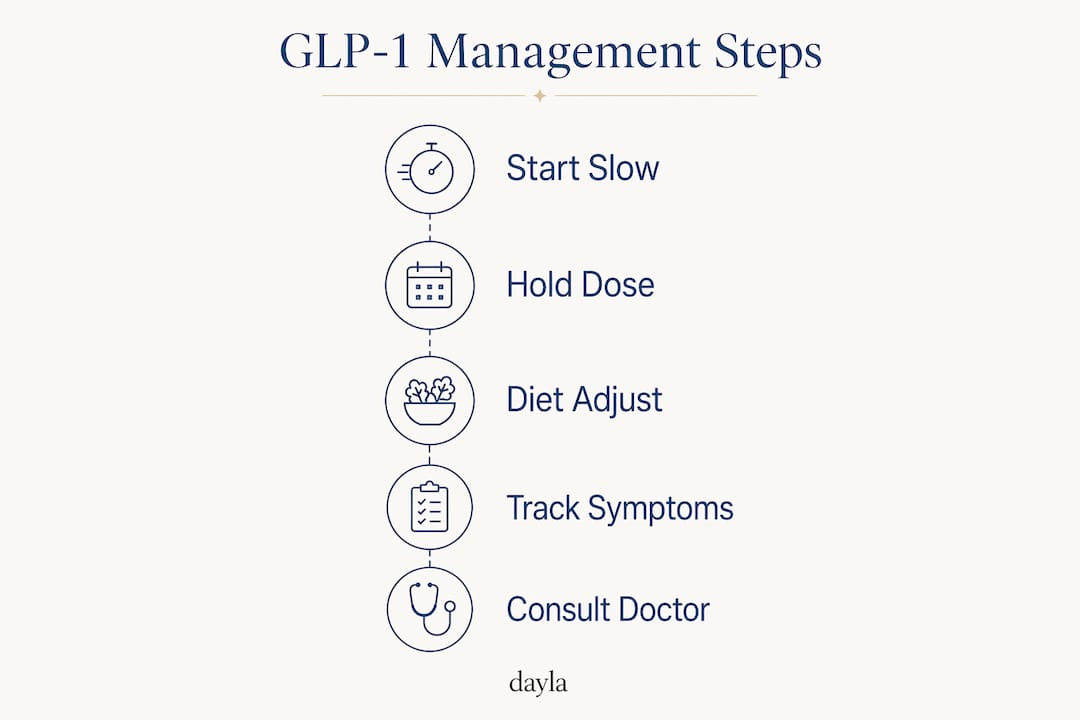
Weekly injectables like semaglutide (Ozempic, Wegovy) and tirzepatide (Mounjaro, Zepbound) allow for flexible dose holds between injections. Tirzepatide's titration profile shows similar tolerability benefits when escalation is slowed. Daily oral semaglutide (Rybelsus) follows a different pattern, with absorption affected by food and water timing, so behavioral consistency matters more with oral formulations. Skipping a dose step entirely is also an option your prescriber may recommend if you tolerate a lower dose well but experience significant side effects at the next level.
Flexible titration schedules consistently outperform rigid four-week escalations in tolerability. Patients who hold their dose longer report fewer dropouts and better overall treatment satisfaction. The goal is to reach the most effective dose your body can tolerate, not the highest dose on the fastest timeline.
Pro Tip: Never adjust your titration schedule without speaking to your prescriber first. A brief check-in call or message through your patient portal is all it takes to get approval for a dose hold.
Dietary and lifestyle changes that prevent GI side effects
The foods you eat and how you eat them directly affect how your body responds to GLP-1 therapy. GLP-1 medications slow gastric emptying, which means a large meal that you would have handled easily before treatment can now trigger nausea within thirty to sixty minutes. Ignoring early fullness signals is one of the most common behavioral mistakes patients make, and it reliably worsens GI side effects. Stopping at the first sign of fullness is not optional. It is the behavioral change that protects you most.
Here are the dietary and lifestyle adjustments that reduce GI discomfort most effectively:
- Eat smaller, more frequent meals. Aim for four to five small meals rather than two or three large ones. Smaller portions reduce the gastric load and lower the risk of nausea.
- Avoid high-fat, fried, and spicy foods during dose escalation periods. These foods slow digestion further and amplify nausea.
- Stay upright for 30 to 60 minutes after eating. Lying down after a meal increases reflux risk significantly when gastric emptying is already slowed.
- Hydrate consistently. Daily fluid intake of 2 to 2.5 liters supports GI motility and reduces constipation risk. Sip water throughout the day rather than drinking large amounts at once.
- Prioritize fiber intake of 25 to 30 grams per day from sources like oats, legumes, vegetables, and chia seeds to prevent constipation.
- Inject weekly medications at night. Peak nausea typically occurs four to eight hours after injection. Injecting before bed lets you sleep through the worst of it.
- Add light physical activity. A 20 to 30 minute walk after meals supports gastric motility and reduces bloating. Lifestyle changes that support GLP-1 results consistently show that movement is one of the most underused tools in managing GI side effects.
For mild nausea, ginger supplements (250 to 500 mg) and vitamin B6 (10 to 25 mg) have evidence-backed support as OTC options. Neither requires a prescription and both are well tolerated alongside GLP-1 medications.
Pro Tip: Keep a simple food and symptom log for the first four to eight weeks. Patterns emerge quickly. You will identify your personal trigger foods faster than any general guideline can predict.
Symptom-specific strategies and when to call your doctor
Managing GLP-1 treatment effectively means knowing which tool to use for each symptom. The approach for nausea differs from the approach for constipation, and recognizing red flags that require immediate medical attention is non-negotiable.
-
Nausea. Start with dietary modifications: smaller meals, no high-fat foods, upright posture after eating. If dietary changes are insufficient, ginger and vitamin B6 are first-line OTC options. For prescription antiemetics, note that ondansetron is not always preferred because it can worsen constipation. Prochlorperazine is often favored by clinicians for nausea management alongside GLP-1 therapy.
-
Vomiting. Focus on hydration and electrolyte replacement first. Clear broths, oral rehydration solutions like Pedialyte, and small sips of water prevent dehydration. Progress back to solid foods gradually using bland options: toast, crackers, plain rice, and bananas.
-
Diarrhea. Maintain fluid intake aggressively. The BRAT diet (bananas, rice, applesauce, toast) reduces stool frequency. Loperamide (Imodium) is safe for GLP-1 related diarrhea and effective for acute episodes. Avoid dairy and high-fiber foods temporarily during active diarrhea.
-
Constipation. Increase fluids and soluble fiber first. If dietary changes are insufficient after 48 to 72 hours, polyethylene glycol (MiraLax) is a well-tolerated osmotic laxative. Early intervention prevents constipation from becoming severe. Do not wait a week before acting.
-
Red flags requiring immediate medical attention. Contact your prescriber or go to an emergency room if you experience any of the following.
Severe abdominal pain radiating to the back, persistent vomiting lasting more than 24 hours, yellowing of the skin or eyes (jaundice), sudden vision changes, or signs of severe dehydration. Pancreatitis rates are low at approximately 0.2 to 0.3% over four years, but the condition is serious and requires urgent evaluation.
One additional consideration: if you are scheduled for elective surgery, hold once-weekly GLP-1 agents for one week before the procedure. GLP-1 medications slow gastric emptying, which increases aspiration risk under anesthesia. Inform your surgical team and anesthesiologist about your medication.
Managing less common side effects and protecting your health
Beyond GI symptoms, GLP-1 therapy can cause injection site reactions, fatigue, muscle loss, and food aversion. Each requires a specific approach.
- Injection site care. Rotate injection sites systematically across the abdomen, thigh, and upper arm. Allow the medication to reach room temperature before injecting. Redness, warmth, or swelling that persists beyond 48 hours may indicate infection and warrants a call to your prescriber.
- Fatigue. Mild fatigue is common in the first few weeks, particularly after dose increases. Prioritize sleep, maintain light exercise, and eat enough protein and complex carbohydrates to sustain energy. Fatigue that persists beyond four weeks at a stable dose deserves medical evaluation.
- Muscle loss. Muscle loss accounts for 25 to 40% of total weight lost on GLP-1 therapy without protective measures. Resistance training two to three times per week and a protein intake of at least 1.2 grams per kilogram of body weight per day are the two most effective countermeasures. This is not optional if preserving strength and metabolic health matters to you.
- Food aversion. Some patients develop aversions to foods they previously enjoyed. Work with a registered dietitian to maintain a nutrient-dense diet even when appetite is suppressed. Protein shakes, fortified foods, and small high-quality meals prevent nutritional deficiencies during periods of low appetite.
- Headaches. Mild headaches are often dehydration-related. Increase fluid intake first. Acetaminophen (Tylenol) is safe for occasional use. Avoid NSAIDs like ibuprofen if you have any GI sensitivity, as they can irritate the stomach lining.
Pro Tip: Track your protein intake with an app like Cronometer or MyFitnessPal during the first three months. Most patients on GLP-1 therapy eat far less protein than they realize, which accelerates muscle loss.
Key takeaways
A structured GLP-1 side effects management plan built on slow titration, dietary discipline, and symptom-specific interventions gives you the best chance of staying on therapy and achieving meaningful results.
| Point | Details |
|---|---|
| Slow titration is the foundation | Hold your dose for 2 to 12 weeks at any step if side effects are significant. |
| Eat smaller meals and stop at fullness | Ignoring early satiety is the most common behavioral trigger for nausea. |
| Hydrate and prioritize fiber | 2 to 2.5 liters of fluid and 25 to 30 grams of fiber daily prevent constipation. |
| Know your red flags | Severe abdominal pain, jaundice, or persistent vomiting require immediate medical evaluation. |
| Protect muscle mass actively | Resistance training and 1.2 g/kg/day of protein prevent the muscle loss that accompanies GLP-1 weight reduction. |
What I've learned about patience and GLP-1 side effects
Most patients who struggle with GLP-1 side effects are not failing the medication. The medication is moving faster than their body is ready for. That is the insight I keep coming back to. The labeled titration schedule was designed for clinical trials, not for every individual body. When you treat it as a rigid requirement rather than a starting point, you set yourself up for unnecessary discomfort and, often, early discontinuation.
The mental adjustment is just as real as the physical one. Eating less feels unfamiliar. Stopping mid-meal when you are not yet "full" by old standards takes practice. Food aversion can feel alarming if you are not expecting it. These are not signs that something is wrong. They are signs that the medication is working. The patients who do best are the ones who communicate openly with their prescriber, adjust their expectations early, and treat side effect management as an ongoing process rather than a one-time fix.
Persistent severe GI side effects are uncommon beyond three to four months at a stable dose. That timeline is worth holding onto when the first few weeks feel rough. Patience, paired with the right strategies, is what gets you through.
— Flexible
How Daylahealth supports your GLP-1 treatment
Daylahealth offers doctor-led, personalized GLP-1 care designed to keep you comfortable and on track from your first dose through every titration step. The clinical team at Daylahealth builds individualized treatment plans that account for your tolerance, your goals, and your schedule, so you are never left guessing about your next dose or managing side effects alone.

If you are ready to start or want expert support managing your current GLP-1 medication, visit Daylahealth's GLP-1 program to learn about enrollment, prescribing, and ongoing monitoring. Personalized titration guidance, proactive check-ins, and access to clinical expertise are built into every plan. You do not have to figure this out on your own.
FAQ
What are the most common GLP-1 medication side effects?
Nausea is the most common GLP-1 side effect, affecting 22.8% to 70% of patients depending on the medication and dose. Constipation, diarrhea, vomiting, and reflux are also frequently reported, particularly during dose escalation.
How long do GLP-1 side effects last?
Most GLP-1 side effects peak in the first two to four weeks at each dose step and resolve within two to three months at a stable dose. Persistent severe symptoms beyond four months at a stable dose are uncommon and should be evaluated by your prescriber.
Can I slow down my dose escalation to reduce side effects?
Yes. Dose escalation schedules on GLP-1 medication labels are minimum guidelines, not fixed requirements. You can hold at any dose step for two to twelve weeks with your prescriber's approval to improve tolerability before moving up.
What OTC remedies help with GLP-1 nausea?
Ginger supplements (250 to 500 mg) and vitamin B6 (10 to 25 mg) are evidence-backed options for mild nausea. For diarrhea, loperamide is safe and effective. For constipation, polyethylene glycol (MiraLax) is a well-tolerated first-line option.
When should I contact my doctor about GLP-1 side effects?
Contact your prescriber immediately if you experience severe abdominal pain radiating to the back, jaundice, sudden vision changes, or persistent vomiting lasting more than 24 hours. These symptoms may indicate serious conditions like pancreatitis that require urgent medical evaluation.