

GLP-1 receptor agonists are defined as medications that mimic the glucagon-like peptide-1 hormone your body naturally produces after eating. They are now the leading pharmacological treatments for obesity and type 2 diabetes, and understanding why GLP-1 drugs are popular starts with one fact: they work on multiple body systems at once. Clinical evidence shows these medications deliver weight loss comparable or superior to bariatric surgery in some cases, while also reducing cardiovascular risk and improving kidney function. That combination of outcomes is rare in any single drug class.
Why GLP-1 drugs are so effective: the biology behind the popularity
GLP-1 receptor agonists work by binding to receptors throughout the body, not just in the pancreas. When activated, these receptors slow gastric emptying, reduce appetite signals in the brain, and trigger insulin release in response to meals. The result is less hunger, better blood sugar control, and a lower calorie intake without requiring willpower alone.
What separates these medications from older therapies is their reach. Previous weight loss drugs typically targeted a single metric, such as calorie absorption or appetite suppression alone. GLP-1 drugs target an integrated cardio-kidney-metabolic process02105-1), addressing the interconnected systems that drive obesity and metabolic disease simultaneously. That multi-organ effect is the core reason clinicians and patients alike have embraced them.
The cardiovascular benefits are particularly significant. These medications reduce inflammation, lower blood pressure, and improve lipid profiles independent of weight loss alone. Patients with no prior diabetes diagnosis have shown measurable improvements in heart and kidney markers, which expands the eligible population well beyond type 2 diabetics.
Key mechanisms driving GLP-1 drug effectiveness:
- Appetite regulation: GLP-1 receptors in the hypothalamus reduce food cravings and intrusive thoughts about eating, making calorie restriction feel less effortful.
- Insulin response: The drugs stimulate insulin release only when blood glucose rises, reducing hypoglycemia risk compared to older diabetes medications.
- Gastric slowing: Food moves through the stomach more slowly, extending the feeling of fullness after smaller meals.
- Organ protection: Direct receptor activity in the heart, kidneys, and liver produces protective effects beyond what weight loss alone would explain.
Pro Tip: If you are starting a GLP-1 medication, pair it with structured dietary changes from day one. The medication reduces hunger signals, but combining it with lifestyle changes produces faster and more durable results than medication alone.
How delivery method advances have made GLP-1 treatment more accessible
One of the most practical GLP-1 popularity reasons is how much easier these drugs have become to take. Early GLP-1 medications required daily injections, which created real barriers for patients managing busy schedules or needle anxiety. The shift to once-weekly injections changed that equation significantly.
The transition to once-weekly injections is described by researchers as a paradigm shift in treatment experience. Fewer injection events mean fewer opportunities for patients to miss doses, skip treatment, or discontinue therapy early. That improved adherence translates directly into better clinical outcomes over time.
Oral GLP-1 formulations are now in development and early commercial use, which could remove the injection barrier entirely. For patients who have avoided these medications specifically because of needles, an oral option represents a meaningful expansion of access. The pipeline of next-generation delivery formats continues to grow.
The practical steps that made GLP-1 treatment more sustainable:
- Daily injections replaced by weekly dosing. Once-weekly formulations reduced the treatment burden and improved consistency for patients managing chronic conditions.
- Dose escalation protocols introduced. Gradual increases in dosage over several weeks minimize gastrointestinal side effects, making early treatment more tolerable.
- Oral formulations entering the market. Tablet-based GLP-1 options are broadening the patient population willing to start and maintain therapy.
- Telehealth and direct-to-consumer access expanded. Platforms like Daylahealth now connect patients with doctor-led GLP-1 care without requiring in-person clinic visits, removing geographic and scheduling barriers.
- Personalized dosing plans standardized. Clinicians now follow structured titration schedules that balance efficacy with tolerability, improving long-term retention.
What health benefits beyond weight loss drive GLP-1 drug use?
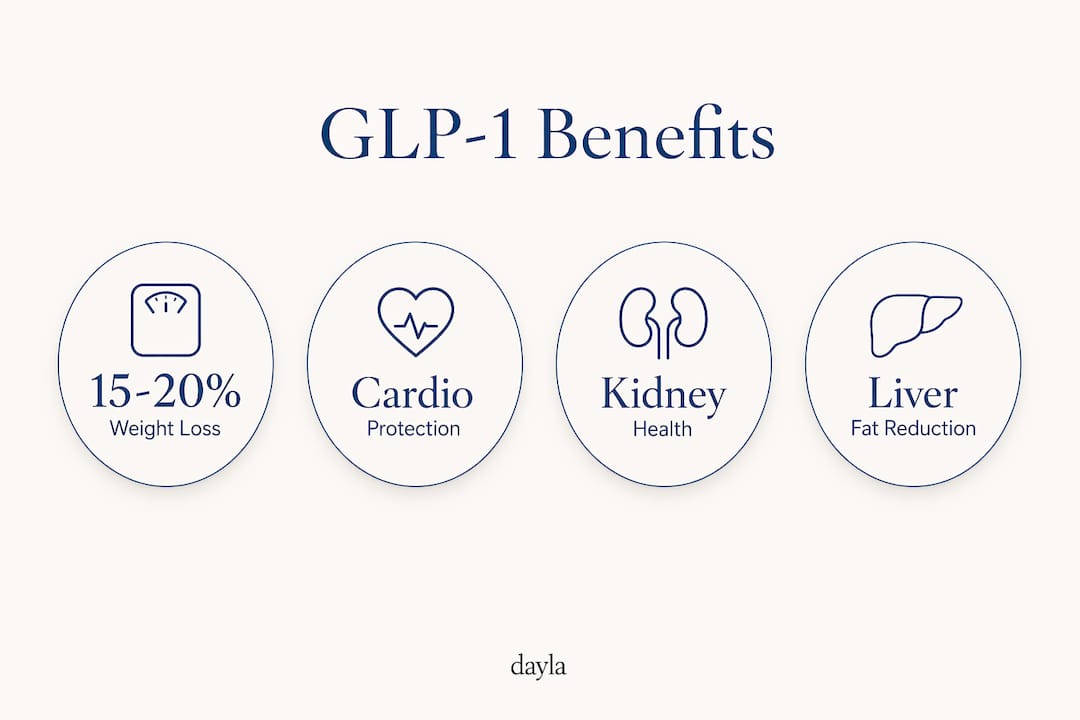
Weight loss is the headline benefit, but the multisystem benefits of GLP-1 medications are what make clinicians prescribe them with such confidence. These drugs reduce major adverse cardiovascular events, including heart attacks and strokes, in patients with established cardiovascular disease. That outcome alone would justify their use in high-risk populations.

Kidney health is another area where the evidence is strong. GLP-1 receptor agonists slow the decline in kidney filtration rates, which is a critical benefit for patients with diabetic nephropathy or early-stage chronic kidney disease. Slowing that decline can delay or prevent dialysis, which carries enormous quality-of-life and cost implications.
Liver fat regression is a third benefit that receives less attention but matters clinically. Non-alcoholic fatty liver disease affects a large share of people with obesity, and GLP-1 drugs have shown consistent ability to reduce hepatic fat accumulation. That improvement occurs even in patients who do not achieve dramatic weight loss.
| Health benefit | Clinical evidence |
|---|---|
| Cardiovascular protection | Reduced risk of heart attack and stroke in high-risk patients |
| Kidney function preservation | Slowed decline in glomerular filtration rate |
| Liver fat regression | Measurable reduction in hepatic fat accumulation |
| Sleep apnea improvement | Reduced severity with weight loss and direct metabolic effects |
| Osteoarthritis relief | Reduced joint load and inflammation with sustained weight reduction |
Pro Tip: Ask your prescribing physician about your baseline kidney and liver markers before starting GLP-1 therapy. Tracking these numbers gives you concrete evidence of the medication's full impact beyond the scale.
The benefits for obesity-related comorbidities like sleep apnea and osteoarthritis add further weight to the case for these medications. Patients often report improved sleep quality and reduced joint pain within months of starting treatment, outcomes that matter as much as any lab value.
What challenges and nuances affect GLP-1 drug access and use?
GLP-1 drug effectiveness has created its own problem: demand has outpaced supply. Drug shortages driven by non-medical cosmetic use have created real access challenges for patients with chronic diseases who depend on these medications. Health authorities have issued guidance on managing limited supplies, but the ethical tension between cosmetic demand and medical necessity remains unresolved.
The side effect profile is manageable but requires attention. Nausea, vomiting, and gastrointestinal discomfort are the most common complaints, particularly in the first weeks of treatment. Gradual dose escalation02105-1) is the primary tool for minimizing these effects. Rushing the titration process significantly increases the risk of adverse reactions and early discontinuation.
Common challenges patients and prescribers navigate:
- Supply constraints. Shortages mean some patients cannot fill prescriptions consistently, disrupting treatment and outcomes.
- Cosmetic versus medical use. Prescriptions for people without obesity-related health conditions have drawn criticism and contributed to shortages for those with genuine medical need.
- Side effect management. Gastrointestinal symptoms are real but preventable with proper dose escalation and dietary adjustments. A structured side effects management plan makes a measurable difference in adherence.
- Maintenance planning. Stopping medication without a plan leads to rapid return of appetite signals and weight regain. Long-term success requires a clear strategy for what comes after active treatment.
- Misconceptions about quick fixes. GLP-1 medications are not a substitute for lifestyle change. Most sustainable benefits occur when medication is combined with structured dietary and behavioral modifications.
Key Takeaways
GLP-1 receptor agonists are the most effective pharmacological treatments for obesity and metabolic disease because they address multiple biological systems simultaneously, not just body weight.
| Point | Details |
|---|---|
| Multi-organ effectiveness | GLP-1 drugs target cardiovascular, kidney, and metabolic systems at once, not weight alone. |
| Delivery method improvements | Once-weekly injections and emerging oral options have significantly improved patient adherence. |
| Benefits beyond weight loss | Reduced cardiovascular events, kidney protection, and liver fat regression are clinically documented. |
| Side effect management | Gradual dose escalation is the most effective way to minimize gastrointestinal side effects. |
| Lifestyle integration required | Stopping medication without a maintenance plan leads to rapid return of hunger and weight regain. |
GLP-1 medications are changing obesity treatment in ways I did not expect
When I first started paying close attention to GLP-1 medications, I expected the weight loss data to be the story. It is not. The real story is that these drugs are the first class of obesity treatments that address root metabolic causes rather than just managing symptoms. That distinction matters more than any single clinical trial result.
What surprises most people is how quickly patients report a change in their relationship with food. The constant mental noise around eating, the cravings, the preoccupation with the next meal, it quiets down. That psychological shift is as significant as the physical one, and it is something older weight loss approaches never reliably delivered.
The caution I would offer is this: GLP-1 medications are not a permanent solution on their own. The return of appetite signals after stopping medication is well documented. Patients who use this treatment window to build sustainable eating habits and activity patterns are the ones who maintain results. The medication creates the conditions for change. The lifestyle work makes it last.
The future of this drug class is also worth watching. Multi-agonist medications02105-1) targeting multiple receptors simultaneously are in development, and early data suggests they will outperform current GLP-1 drugs on both weight loss and metabolic outcomes. The next five years in this space will be significant.
— Flexible
Personalized GLP-1 care with Daylahealth
Daylahealth provides doctor-led GLP-1 weight loss prescriptions and personalized treatment plans designed for people who want clinical results with professional support. You get access to licensed physicians, structured dosing protocols, and ongoing guidance, without the barriers of traditional clinic visits.

If you are ready to explore GLP-1 weight loss treatment, Daylahealth connects you with the care you need directly. For patients interested in complementary therapies, Daylahealth also offers peptide therapy options that support longevity and metabolic wellness alongside GLP-1 treatment. Every plan is built around your health profile, your goals, and your timeline.
FAQ
What are GLP-1 drugs used for?
GLP-1 receptor agonists are used to treat obesity and type 2 diabetes by reducing appetite, improving blood sugar control, and protecting cardiovascular and kidney health. Their benefits extend to non-diabetic patients with obesity-related conditions.
Why are GLP-1 medications so popular right now?
GLP-1 drugs are popular because they deliver clinically significant weight loss while simultaneously reducing the risk of heart attack, stroke, and kidney decline. No previous drug class offered that combination of outcomes in a single treatment.
What are the most common side effects of GLP-1 drugs?
Nausea, vomiting, and gastrointestinal discomfort are the most common side effects, particularly during the first weeks of treatment. Gradual dose escalation is the most effective way to reduce their severity and duration.
Do GLP-1 drugs work without diet and exercise?
GLP-1 medications reduce appetite and cravings effectively on their own, but the most durable results come from combining medication with structured lifestyle changes. Stopping the drug without a maintenance plan typically leads to rapid weight regain.
Are GLP-1 drugs only for people with diabetes?
No. Clinical evidence supports GLP-1 drug use in people with obesity who do not have diabetes, particularly when obesity-related conditions like cardiovascular disease, sleep apnea, or kidney disease are present.