

The most effective U.S. medical weight loss clinic alternatives in 2026 are telehealth-first GLP-1 and peptide services, primary care with telemedicine follow-up, in-person multidisciplinary medical weight management programs, and compounding/peptide specialty services. Among telehealth-first options, Daylahealth's Vitalia GLP program stands out as a recommended choice, offering licensed prescriber oversight, bundled dietitian consults, care coaching, and nationwide medication delivery with no insurance required. Your immediate next step: complete an online intake with a licensed prescriber today to confirm eligibility and receive a personalized prescription plan within 24–48 hours.
Clinical evidence from StatPearls confirms that GLP-1 receptor agonists like semaglutide and dual agonists like tirzepatide are now first-line therapies for clinically appropriate adults, producing substantially larger average weight loss compared with older medications. The NIDDK lists semaglutide (Wegovy), tirzepatide (Zepbound), liraglutide, orlistat, phentermine-topiramate, and naltrexone-bupropion among FDA-approved options for chronic weight management.
Table of Contents
- What counts as an alternative to a medical weight loss clinic?
- Which alternative fits your situation?
- How do you choose the right weight loss alternative?
- What should you expect from GLP-1 or peptide treatment?
- What are the FDA rules and safety requirements for telehealth prescribing?
- Daylahealth's Vitalia GLP: a telehealth-first alternative worth considering
- Key takeaways
- Why telehealth-first is the right frame for this decision
- Further reading and source notes
What counts as an alternative to a medical weight loss clinic?
Not every adult can or wants to visit a brick-and-mortar weight loss clinic. The good news is that several medically credible alternatives exist, each with a distinct structure, cost model, and level of clinical support.
- Telehealth DTC GLP-1/peptide services: Online platforms where a licensed prescriber evaluates you remotely, approves a prescription, and ships medication directly to your door. These typically include bundled clinical support and home delivery, making them the most accessible non-surgical weight loss programs available today.
- Primary care or endocrinology with telemedicine follow-up: Your existing physician prescribes an FDA-approved weight loss medication and monitors progress via in-person or virtual visits. Coverage varies widely by insurer.
- In-person multidisciplinary medical weight management programs: Academic medical centers and large health systems offer structured programs combining physician oversight, registered dietitian (RDN) counseling, behavioral health, and sometimes medication. Programs at institutions like NYU Langone and AdventHealth represent this category.
- Compounding/peptide specialty services: Licensed compounding pharmacies and telehealth providers prescribe compounded semaglutide, tirzepatide, or peptides when FDA-approved branded versions are inaccessible or cost-prohibitive. These require careful vetting for licensed prescriber oversight.
- Bariatric surgery: Reserved for adults with a BMI of 40 or above, or 35 with serious comorbidities, when non-surgical approaches have not produced adequate results. This is a higher-intensity pathway, not a first-line alternative for most readers.
Telehealth DTC services and compounding specialty services are the two categories most likely to include bundled clinical support and home delivery as standard.
Which alternative fits your situation?

| Category | Best for | Medications available | Clinical support | Prescription path | Nationwide shipping | Cost model | Monitoring | Delivery method |
|---|---|---|---|---|---|---|---|---|
| Telehealth DTC GLP-1/peptide | Adults wanting convenience, no insurance, fast start | FDA-approved GLP-1s + compounded peptides | MD/APRN, RDN, care coach | Online intake | Yes | Monthly subscription; cash pay | Regular virtual check-ins | Injection, microdose, oral |
| Primary care/endocrinology | Adults with existing physician relationship and insurance | FDA-approved GLP-1s, older agents | MD/APRN | In-person or telehealth visit | No direct shipping | Per-visit + insurance copay | Scheduled office visits | Injection, oral |
| In-person multidisciplinary program | Adults needing intensive behavioral and nutritional support | FDA-approved GLP-1s, meal replacement | MD, RDN, behavioral health, exercise physiologist | In-person evaluation | No | Fee per program cycle or insurance | Weekly to monthly visits | Injection, oral |
| Compounding/peptide specialty | Adults where branded GLP-1s are unavailable or cost-prohibitive | Compounded semaglutide, tirzepatide, peptides | MD/APRN required | Telehealth or in-person | Often yes | Subscription or per-order | Varies by provider | Injection, peptide |
| Bariatric surgery | BMI 40+, or 35+ with comorbidities, failed prior treatment | N/A (surgical) | Full surgical team, RDN, behavioral health | In-person surgical evaluation | N/A | Insurance or self-pay surgical fee | Long-term post-op follow-up | Surgical procedure |
Monthly out-of-pocket costs for branded obesity medications commonly run $1,000–$1,500, which is why telehealth subscription models and compounding options attract adults who need cost predictability.
Pro Tip: When comparing options, prioritize the frequency and format of clinician check-ins over the medication brand name listed. A provider offering monthly prescriber reviews and RDN access will produce better long-term outcomes than one that ships medication with minimal follow-up, regardless of which GLP-1 is on the label.
How do you choose the right weight loss alternative?
Choosing the right program comes down to a short set of non-negotiable criteria and a few pointed questions asked before you sign up.
Selection criteria checklist:
- Licensed MD or APRN oversight with documented prescribing authority
- RDN availability for nutrition counseling (not just a PDF meal plan)
- Behavioral health access, even if asynchronous
- Lab monitoring protocol (baseline metabolic panel, thyroid function, follow-up labs)
- Documented follow-up cadence (monthly at minimum for medication titration)
- Clear shipping and dispensing policies, including cold-chain handling for injectables
- Transparent refund and cancellation terms
- HIPAA-compliant intake and data handling
Questions to ask during intake:
- "Who reviews my medical history and approves my prescription — an MD, APRN, or PA?"
- "How often will I have a scheduled check-in, and what does it include?"
- "What labs do you require before starting and during treatment?"
- "Is my medication compounded or FDA-approved branded, and where is it dispensed?"
- "What happens if I experience side effects — who do I contact and how quickly?"
You can use the weight loss program comparison checklist from Daylahealth's blog to map these criteria against any provider you're evaluating.
Red flags that should prompt seeking higher-intensity or in-person care:
- No licensed prescriber identified by name or credential
- No monitoring plan or lab requirements at intake
- Promises of more than 25% body weight loss in under three months
- Medication sourced from unverified compounding pharmacies with no state licensure documentation
- No informed consent process for off-label prescribing
Check your medication candidacy before committing to any program, especially if you have a history of thyroid conditions, pancreatitis, or cardiovascular disease.
What should you expect from GLP-1 or peptide treatment?
Most adults starting a GLP-1 program notice appetite suppression within the first two to four weeks. Meaningful weight loss typically becomes measurable between weeks 4 and 12, with the most significant changes occurring over the first six months as doses titrate upward.
Tirzepatide demonstrated average weight loss of around 20.2% in clinical trials, while semaglutide produces average losses in the 15% range. Older agents like liraglutide average closer to 10%. These figures assume consistent use alongside dietary modification — medication alone, without behavioral support, produces substantially lower results.
Clinical note: GLP-1 medications work best as part of structured behavioral and nutritional care. Discontinuing medication without ongoing behavior change commonly leads to weight regain, per NIDDK guidance.
Monitoring during treatment typically includes a baseline metabolic panel, periodic thyroid function tests, blood pressure checks, and follow-up labs at three and six months. Dose adjustments usually occur every four weeks based on tolerability and response.
The most common side effects are gastrointestinal: nausea, constipation, and occasional vomiting, particularly during dose escalation. Staying well-hydrated, eating smaller meals, and following a slow titration schedule significantly reduces their severity. For a detailed breakdown of GLP-1 side effects and how to manage them, the GLP-1 receptor agonist guide on Daylahealth's blog is a practical reference.
What are the FDA rules and safety requirements for telehealth prescribing?
The FDA has approved six prescription medications for long-term chronic weight management in adults: semaglutide (Wegovy), tirzepatide (Zepbound), liraglutide (Saxenda), orlistat (Xenical), phentermine-topiramate (Qsymia), and naltrexone-bupropion (Contrave). Prescribing any medication outside its approved indication is considered off-label use, which is legally permitted when clinically justified but requires explicit informed consent and a documented risk-benefit assessment by a licensed clinician.
Safety checklist for telehealth weight loss prescribing:
- Complete medical history screening, including thyroid cancer history and MEN2 syndrome (both are contraindications for GLP-1 use)
- Confirmed licensed prescriber with active state licensure
- Written informed consent for any off-label prescribing
- Documented monitoring plan with defined follow-up intervals
- State-licensed pharmacy or compounding pharmacy dispensing
The Obesity Action Coalition emphasizes that multidisciplinary care — physicians, dietitians, and behavioral health specialists working together — is the standard for durable obesity management, not medication alone.
Insurance coverage for weight loss medications remains inconsistent. Branded GLP-1s can cost $1,000–$1,500 per month without coverage, and many commercial plans still exclude obesity medications entirely. Telehealth subscription models with compounded options often provide a more predictable monthly cost for cash-pay patients.
This article is general information, not medical advice. Confirm your eligibility and current prescribing rules with a licensed clinician before starting any weight loss medication.
Daylahealth's Vitalia GLP: a telehealth-first alternative worth considering
If you've read this far, you already know what a well-structured weight loss program looks like. Daylahealth's Vitalia GLP program is built around exactly those criteria: licensed prescriber approval, personalized GLP-1 and compounded peptide options, bundled dietitian consults, care coaching, and nationwide shipping, all available without an insurance requirement.
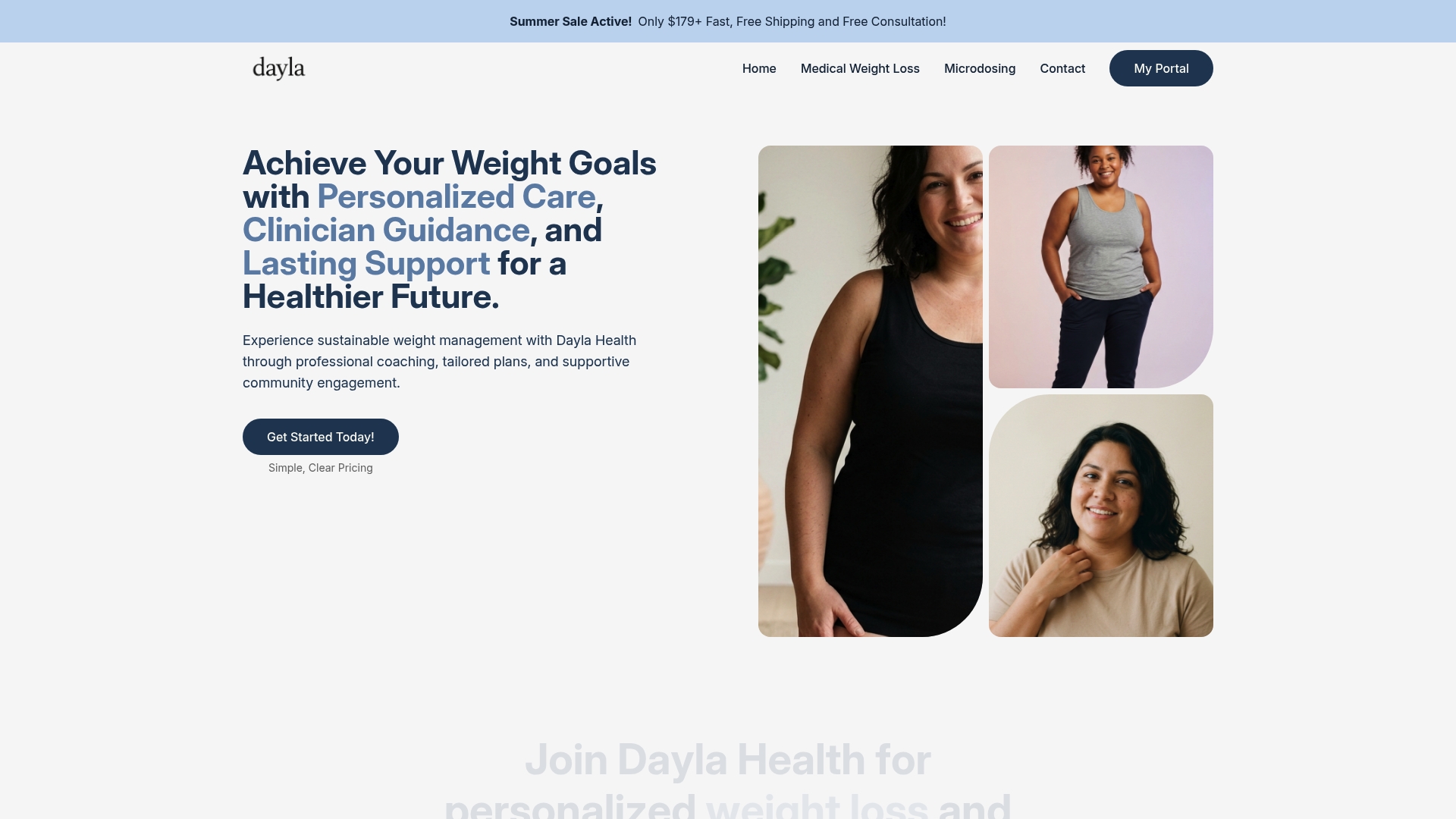
Your path starts with a straightforward online intake. A licensed clinician reviews your medical history, confirms eligibility, and approves a prescription. From there, your medication ships directly to your door on a monthly subscription, with regular prescriber check-ins and RDN access included. Delivery options include standard injection, microdose, and needle-free oral formats, so the program adapts to your preferences and clinical needs.
For adults who want the clinical rigor of a structured program without the friction of in-person clinic visits, Daylahealth offers a direct, transparent alternative. Complete your intake at daylahealth.com/glp1 and receive a clinician decision within 24–48 hours.
Key takeaways
Telehealth-first GLP-1 and peptide services are the most accessible U.S. medical weight loss clinic alternatives in 2026, provided they include licensed prescriber oversight, RDN access, and a documented monitoring plan.
| Point | Details |
|---|---|
| Top alternative types | Telehealth DTC GLP-1 services, primary care prescribing, in-person multidisciplinary programs, and compounding specialty services are the four main options. |
| Efficacy benchmark | GLP-1s and tirzepatide produce 15%–25% average weight loss versus 5%–10% for older medications, per StatPearls. |
| Non-negotiable criteria | Licensed prescriber, RDN access, lab monitoring, and a documented follow-up cadence are the minimum standard for any program. |
| Safety and maintenance | GLP-1 medications require ongoing behavioral support; stopping medication without behavior change commonly leads to weight regain. |
| Daylahealth option | Daylahealth's Vitalia GLP program delivers licensed prescriber oversight, GLP-1 and peptide options, and nationwide shipping on a cash-pay subscription. |
Why telehealth-first is the right frame for this decision
The conventional wisdom says that more in-person oversight is always better. That's not wrong, but it misses something important: the biggest barrier to effective obesity treatment in the U.S. isn't the quality of care available, it's access to it. Most adults who need medically supervised weight loss never start a program because the nearest clinic has a six-week waitlist, requires a referral, or doesn't accept their insurance for this indication.
Telehealth-first programs, when properly structured with licensed prescribers, RDN support, and real monitoring plans, deliver clinically meaningful outcomes. The evidence behind semaglutide and tirzepatide doesn't change based on whether the prescribing clinician is in the same room as you. What matters is that the prescriber is licensed, the monitoring is real, and the behavioral support is built in, not bolted on as an afterthought.
The risk isn't telehealth itself. The risk is choosing a provider that ships medication without adequate clinical oversight, which is exactly why the selection criteria in this article matter. A well-run telehealth program is a legitimate, evidence-based pathway, not a shortcut.
Further reading and source notes
The sources below support the clinical claims, regulatory guidance, and program comparisons throughout this article.
- StatPearls: Obesity Medications Evidence-Based Management — Primary source for GLP-1 and tirzepatide efficacy data, cost ranges, and first-line therapy recommendations. Referenced in the opening, comparative analysis, and treatment expectations sections.
- NIDDK: Prescription Medications to Treat Overweight & Obesity — Authoritative list of FDA-approved weight loss drugs and off-label prescribing rules. Referenced in safety and regulatory sections.
- Obesity Action Coalition: Understanding Your Obesity Treatment Options — Patient-facing guidance on multidisciplinary care standards. Referenced in how-to-choose and safety sections.
- Daylahealth: Vitalia GLP product page — Primary resource for Daylahealth's GLP-1 program details, subscription structure, and intake process.
- Daylahealth Blog: How Peptides Help Weight Loss — Evidence review for peptide-based weight loss options, supporting the compounding/peptide category discussion.
- Daylahealth Blog: Types of Weight Loss Prescriptions Available in 2026 — Medication class overview supporting the comparative analysis and treatment sections.