

GLP-1 weight loss is a medically proven approach using glucagon-like peptide-1 receptor agonists to reduce body weight by suppressing appetite, slowing digestion, and improving metabolic signaling. These medications, including semaglutide (Wegovy, Ozempic) and tirzepatide (Zepbound), have reshaped clinical weight management over the past decade. Clinical trials show 10%–20% body weight reduction with consistent use, making them the most effective non-surgical weight loss tools available today. If you are considering GLP-1 medication or simply want to understand how it works, this guide covers the full picture.
How do glp-1 medications work to support weight loss?
GLP-1 receptor agonists work by mimicking glucagon-like peptide-1, a hormone your gut naturally releases after eating. When you take a GLP-1 medication, it binds to GLP-1 receptors throughout your body and triggers a cascade of appetite-suppressing effects.
The most direct effect is on digestion. GLP-1s slow gastric emptying, meaning food stays in your stomach longer, which extends the feeling of fullness after a meal. At the same time, these medications signal the pancreas to release more insulin when blood sugar rises and suppress glucagon, the hormone that raises blood sugar. This dual action improves metabolic balance without causing dangerous blood sugar drops in non-diabetic users.

What makes GLP-1 medications particularly effective is their reach into the central nervous system. GLP-1 receptor activation crosses the blood-brain barrier and directly targets satiety centers in the brain, reducing what researchers call "food chatter." This is the constant internal hunger signaling that makes sticking to a lower-calorie diet so difficult for most people. When food chatter quiets, adherence to healthy eating becomes far less of a mental battle.
Tirzepatide, sold as Zepbound, adds a second mechanism. It activates both GLP-1 and GIP (glucose-dependent insulinotropic polypeptide) receptors simultaneously. This dual agonism is why tirzepatide trials have shown weight loss results at the higher end of the clinical range, reaching up to 20% of body weight in some participants.
Pro Tip: If you are new to GLP-1 therapy, ask your prescriber about the dose escalation schedule before you start. Knowing that the first 8–12 weeks involve gradual dose increases, not full therapeutic doses, sets accurate expectations from day one.
What types of glp-1 weight loss medications are available?
The types of GLP-1 weight loss medications approved for use in 2026 span both injectable and oral formats, giving patients more options than ever before.
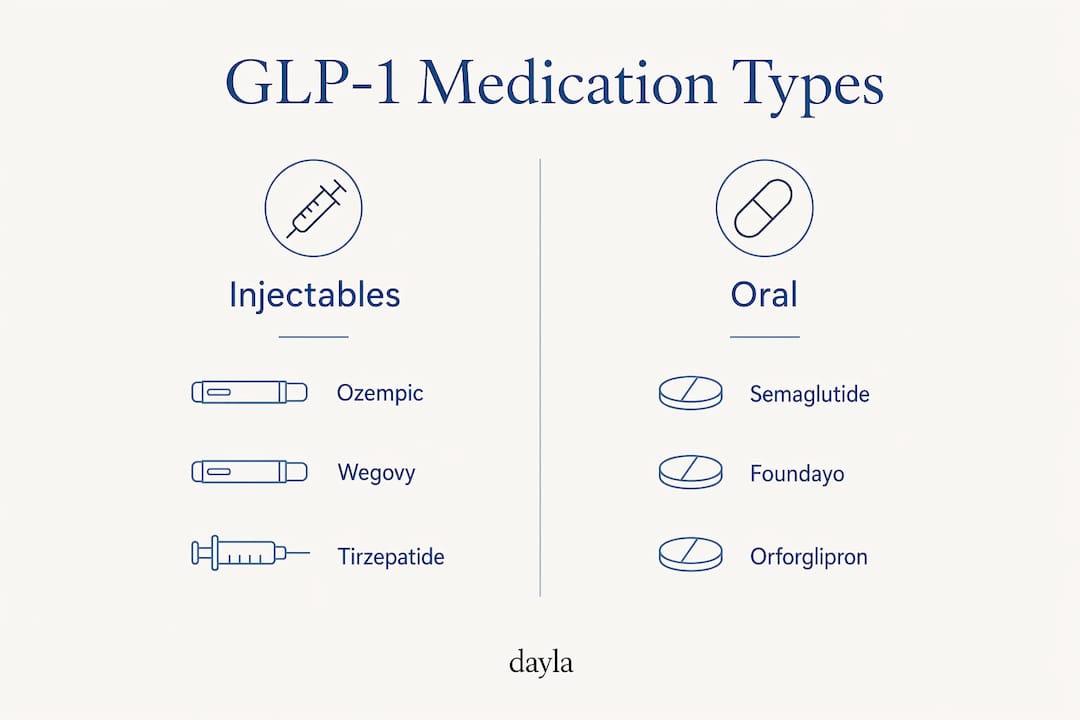
Injectable glp-1 options
The three most prescribed injectable GLP-1 medications for weight loss are:
- Semaglutide (Wegovy): FDA-approved specifically for chronic weight management. Weekly subcutaneous injection. Produces average weight loss of 10%–15% body weight in clinical trials.
- Liraglutide (Saxenda): Daily subcutaneous injection. Older formulation with a shorter half-life. Produces more modest weight loss compared to semaglutide.
- Tirzepatide (Zepbound): Weekly injection. Dual GLP-1/GIP receptor agonist. FDA-approved for weight loss. Shows the highest average weight loss in trials, up to 20% in some studies.
Ozempic (semaglutide) carries FDA approval for type 2 diabetes, not weight loss, though physicians frequently prescribe it off-label for obesity management.
Oral glp-1 options
FDA-approved oral formulations now include oral semaglutide and Foundayo (orforglipron), which became available as of 2026. These pills eliminate the need for injections entirely.
| Medication | Format | Primary Approval | Typical Weight Loss |
|---|---|---|---|
| Wegovy (semaglutide) | Weekly injection | Weight loss | 10%–15% body weight |
| Saxenda (liraglutide) | Daily injection | Weight loss | 5%–10% body weight |
| Zepbound (tirzepatide) | Weekly injection | Weight loss | 15%–20% body weight |
| Oral semaglutide | Daily pill | Diabetes/weight loss | Comparable to injectable |
| Foundayo (orforglipron) | Daily pill | Weight loss | Under evaluation |
Oral options require strict administration rules. You must take them on an empty stomach with a small amount of water and wait at least 30 minutes before eating. Missing this window reduces absorption significantly. Injectable options avoid this complexity, which is one reason many patients still prefer them despite needle aversion.
What results can you realistically expect with glp-1 weight loss?
Realistic expectations are the single biggest factor in whether someone stays on GLP-1 therapy long enough to see results. 50%–75% of users discontinue GLP-1 medication within one year. That statistic reflects a serious adherence problem rooted largely in mismatched expectations.
Here is what the clinical evidence actually shows about the timeline:
- Weeks 1–8: Dose escalation phase. Your prescriber increases your dose gradually to minimize side effects. Weight loss during this period is often minimal, sometimes just 1–3 pounds. This is normal and expected.
- Months 2–4: The medication reaches therapeutic dose. Appetite suppression becomes noticeable. Most patients report eating significantly less without feeling deprived.
- Months 4–12: The primary weight loss window. Most clinical trials measure their headline results at the 12-month mark. This is when the 10%–20% body weight reduction figures are achieved.
- Beyond 12 months: Weight loss typically plateaus. The focus shifts to maintenance and consolidating lifestyle changes.
Setting realistic weight loss goals on GLP-1 means thinking in percentages of body weight, not arbitrary numbers. A 200-pound person losing 15% of their body weight loses 30 pounds. That is a clinically meaningful result that reduces cardiovascular risk, improves blood pressure, and often resolves metabolic conditions like prediabetes.
The early slow progress during dose escalation is the most dangerous phase for adherence. Patients who do not understand why results are slow in the first two months often quit before the medication reaches full effect. Pairing GLP-1 therapy with lifestyle changes like protein-focused eating and resistance training accelerates visible results and keeps motivation high during the early phase.
Pro Tip: Track non-scale victories during the first three months. Reduced hunger, better energy, and improved blood sugar readings are real signs the medication is working, even when the scale moves slowly.
What are the side effects and risks of glp-1 medications?
GLP-1 medications carry a well-documented side effect profile. Understanding it before you start helps you manage symptoms rather than abandon treatment prematurely.
The most common side effects are gastrointestinal:
- Nausea: Most frequent during dose escalation. Typically improves within 4–6 weeks as the body adjusts.
- Constipation: Occurs because slowed gastric emptying affects the entire digestive tract. Increased fiber and water intake helps significantly.
- Vomiting and diarrhea: Less common but possible, especially if doses escalate too quickly.
- Acid reflux: Reported by some users, particularly those who eat large meals despite reduced appetite.
A less-discussed risk is lean mass loss. Muscle loss can represent over 30% of total weight lost with GLP-1 medications. This matters because muscle mass drives metabolic rate. Losing significant muscle while losing fat can leave you with a slower metabolism, making weight maintenance harder after treatment ends. Resistance training and adequate protein intake (at least 1 gram per pound of lean body mass) are the primary defenses against this outcome.
Bone density reduction is also documented in longer-term studies. Patients with osteoporosis risk factors should discuss this with their prescriber before starting therapy. GLP-1 medications are intended for medically supervised obesity treatment, not cosmetic weight loss. That distinction matters for safety monitoring. Working with a qualified healthcare provider ensures your bloodwork, bone health, and lean mass are tracked throughout treatment. For a deeper look at the full benefits and side effects profile, Daylahealth covers the clinical evidence in detail.
How can you maintain weight loss after glp-1 treatment?
Weight maintenance after GLP-1 treatment is the hardest part of the entire process. Stopping GLP-1 therapy frequently results in weight regain because the appetite-suppressing hormone signals that the medication provided simply disappear. Your body's hunger returns to its pre-treatment baseline, often within weeks.
The strategies that protect against regain fall into three categories:
- Behavioral habits: Protein-first eating, consistent meal timing, and regular physical activity must be established during treatment, not after. These habits need to be automatic before the medication is discontinued.
- Medical monitoring: Regular check-ins with your prescriber allow for titration adjustments. Some patients use a lower maintenance dose rather than stopping entirely, which reduces regain risk while lowering medication costs.
- Tracking and accountability: Using tools to track GLP-1 progress over time creates data that helps both you and your provider make informed decisions about dose changes or treatment duration.
| Maintenance Strategy | Why It Works |
|---|---|
| Resistance training 3x per week | Preserves muscle mass and supports metabolic rate |
| Protein intake above 100g per day | Reduces hunger and protects lean tissue |
| Maintenance dosing under medical supervision | Sustains appetite suppression at lower medication levels |
| Regular weigh-ins and food tracking | Catches weight creep early before it becomes significant |
The comparison with bariatric surgery is instructive here. Bariatric surgery achieves 20%–30% weight loss with greater durability, partly because the anatomical changes are permanent. GLP-1 medications offer a less invasive alternative, but their results require ongoing behavioral commitment to sustain.
Key takeaways
GLP-1 receptor agonists are the most effective non-surgical weight loss medications available, but results depend on realistic expectations, consistent lifestyle habits, and medical supervision throughout treatment.
| Point | Details |
|---|---|
| Proven weight loss range | Clinical trials show 10%–20% body weight reduction with consistent GLP-1 use. |
| Multiple medication options | Injectable options like Wegovy and Zepbound, plus oral options like Foundayo, give patients real choices. |
| Early phase requires patience | Dose escalation takes 8–12 weeks; minimal early weight loss is normal, not a sign of failure. |
| Muscle loss is a real risk | Over 30% of weight lost may be lean mass; resistance training and protein intake are critical defenses. |
| Stopping requires a plan | Weight regain is common after discontinuation; maintenance dosing or strong lifestyle habits reduce this risk. |
What i have learned about glp-1 medications after years in this space
The most common mistake I see is treating GLP-1 medications as a passive solution. Patients start the medication, reduce their food intake because the drug makes it easy, and assume the work is done. It is not.
GLP-1 medications are metabolic tools. They quiet the hunger signals that make behavior change so difficult. But they do not build muscle, teach portion awareness, or create the exercise habits that protect your results long term. The medication creates a window of opportunity. What you do inside that window determines whether your results last.
The second mistake is abandoning treatment during dose escalation. The first two months feel underwhelming because they are supposed to. Gradual titration exists to protect your digestive system, not to delay results. Patients who understand this stay the course. Those who do not often quit right before the medication reaches full effect.
I also think the conversation around GLP-1 and appetite control needs more nuance. Reduced food chatter is a genuine and powerful effect. But it does not eliminate emotional eating, stress eating, or the behavioral patterns that contributed to weight gain in the first place. Combining GLP-1 therapy with behavioral support, whether that is a dietitian, a therapist, or a structured program, produces meaningfully better long-term outcomes than medication alone.
The patients who succeed are the ones who treat the medication as a starting point, not a finish line.
— Flexible
Start your glp-1 weight loss journey with Daylahealth
Daylahealth offers doctor-led, personalized GLP-1 care designed for people who want real results with proper medical support. Whether you are exploring injectable options like semaglutide and tirzepatide or interested in the newer oral formulations, Daylahealth connects you with licensed providers who tailor your plan to your health profile and goals.

The process is direct and convenient. You complete a health assessment, consult with a provider, and receive your GLP-1 prescription plan with ongoing monitoring built in. Daylahealth also provides guidance on nutrition, lifestyle habits, and progress tracking so your results extend well beyond the medication itself. If you are ready to take the first step, explore what personalized GLP-1 care looks like for you.
FAQ
What is glp-1 weight loss, exactly?
GLP-1 weight loss refers to using glucagon-like peptide-1 receptor agonist medications to reduce body weight by suppressing appetite, slowing digestion, and improving metabolic hormone signaling. These are prescription medications, not supplements, and require medical supervision.
How much weight can you lose on glp-1 medications?
Clinical trials show an average of 10%–20% body weight reduction, depending on the medication and individual response. Tirzepatide (Zepbound) consistently shows results at the higher end of that range.
Are there glp-1 pills instead of injections?
Yes. FDA-approved oral options including oral semaglutide and Foundayo (orforglipron) are available as of 2026. Oral formulations must be taken on an empty stomach with strict timing rules to achieve adequate absorption.
How does glp-1 compare to phentermine for weight loss?
GLP-1 receptor agonists work through appetite hormone mimicry and metabolic regulation, while phentermine is a stimulant-based appetite suppressant approved only for short-term use. GLP-1 medications have a stronger long-term evidence base and are approved for chronic weight management, whereas phentermine is typically limited to 12 weeks of use.
What happens when you stop taking glp-1 medication?
Stopping GLP-1 therapy frequently results in weight regain as appetite signals return to pre-treatment levels. Long-term maintenance requires either continued medical dosing strategies or well-established lifestyle habits built during treatment.