
Semaglutide has not been shown to damage bone directly. Bone density tends to fall a little whenever people lose a lot of weight, and semaglutide produces substantial weight loss. The practical answer is to lose weight under clinical supervision, eat enough protein, do resistance training, and get your bone-density risk checked if you are in a higher-risk group. With that approach, most adults can pursue weight loss and keep their skeleton in mind at the same time.
This guide explains what the studies found, why they sometimes disagree, who should be most attentive, and what to do about it.
TL;DR
- Bone density often declines modestly with significant weight loss from any method. Studies suggest the size of the decline tracks how much weight is lost.
- A large 2026 analysis of 60 studies found no effect on bone outcomes in its most adjusted models, and a 2026 study in people with type 2 diabetes linked semaglutide to fewer major osteoporotic fractures.
- Older adults, postmenopausal women and people with existing low bone density should talk to a clinician about bone testing before or early in treatment.
- Protein, resistance exercise, calcium and vitamin D, and steady weight loss are the main tools for protecting bone.
Table of Contents
- What bone density is and why weight loss touches it
- What the studies show
- Why the findings differ
- How much is the weight loss, not the drug?
- Who should pay closer attention
- When to ask about a bone density test
- How to protect your bones while losing weight
- Where doctor-led care fits
- Start with a plan that includes bone-smart support
- Perspective: weight loss and bone health belong in the same plan
- FAQ
- Sources
What bone density is and why weight loss touches it
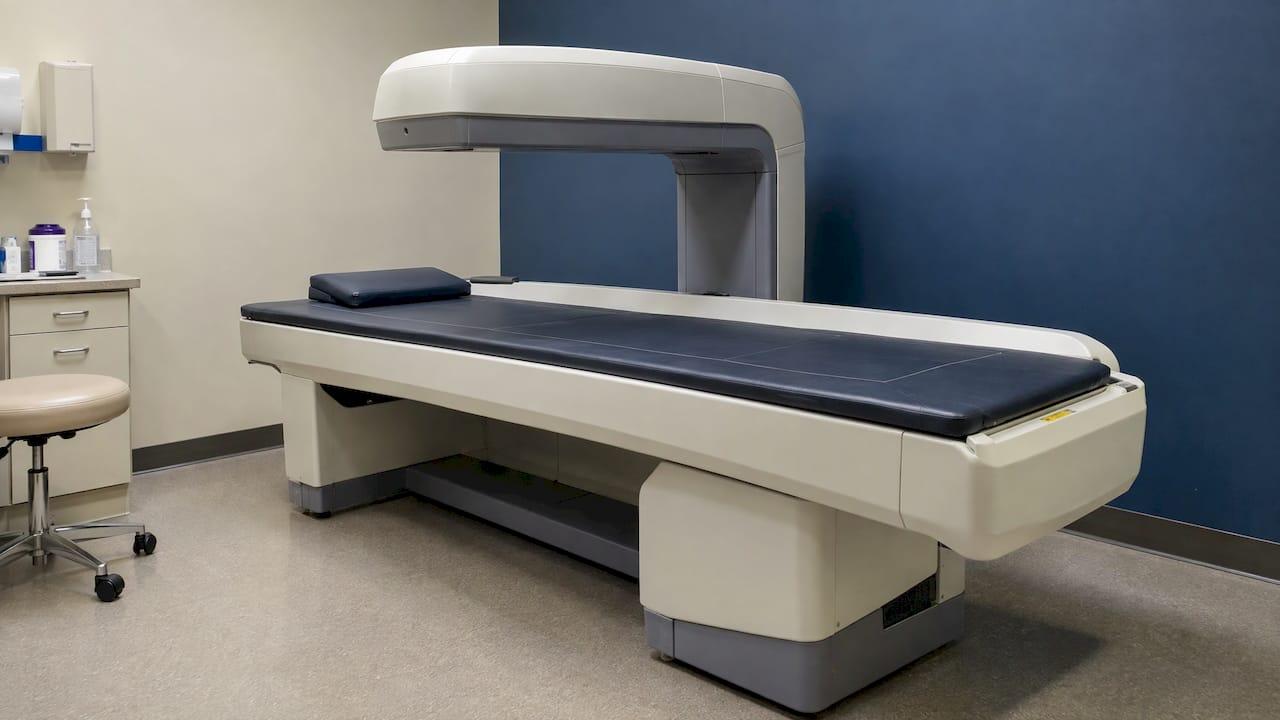
Bone density, measured as bone mineral density (BMD), is the amount of mineral packed into your bones. It is usually measured with a DXA scan, a low-dose X-ray of the hip and spine. Low BMD is the main marker clinicians use to identify osteopenia (mildly low) and osteoporosis (low enough to raise fracture risk).
Bone is living tissue. It responds to the load placed on it. When you lose a large amount of body weight, your bones carry less load, and hormones that influence bone also shift. Bone turnover can speed up as a result. That is true for people who lose weight with diet alone, with surgery or with medication.
The 2026 meta-analysis from Beaudart and colleagues makes the same point. It notes that substantial weight loss from GLP-1 medicines could offset potential bone benefits through reduced mechanical loading and hormonal changes, especially in older or metabolically vulnerable people. So the useful question is not only "what does the drug do to bone?" but also "how do I lose weight while keeping bone and muscle?"
What the studies show
The evidence is a mix of small trials, observational databases and reviews. Here is how the main pieces fit together.
Trials that measured bone directly
A 52-week randomized trial of 64 adults at elevated fracture risk (86% women, mean age 63) gave weekly semaglutide at 1.0 mg or the highest tolerated dose. Participants lost 9.4% of body weight. BMD fell 2.1% at the lumbar spine and 2.6% at the total hip compared with the placebo group. Bone turnover markers rose too. The authors noted the study could not separate drug effects from the effects of weight loss.
A smaller 20-week pilot trial in older adults with overweight or obesity and prediabetes or type 2 diabetes found something different. Semaglutide plus lifestyle counseling produced greater weight loss than lifestyle alone (5.3% versus 0.89%). Yet there were no significant differences in whole-body BMD or in bone turnover markers. The authors called for longer studies, because the trial was short and the weight loss modest.

Real-world data on fractures
BMD is a proxy. Fractures are the outcome people care about. Here the data are more reassuring in some groups.
- A 2026 analysis of electronic health records from the TriNetX network compared people with obesity and type 2 diabetes. Starting semaglutide was associated with a lower risk of major osteoporotic fracture than starting empagliflozin (hazard ratio 0.69), glipizide (0.72) or usual care (0.84). Among people without type 2 diabetes, there was no significant fracture association either way.
- At ENDO 2026 in June, the Endocrine Society reported a matched analysis of more than 35,000 people with type 2 diabetes. Semaglutide was associated with a 15% reduction in fractures compared with other anti-obesity medications (794 fractures versus 1,045). The authors recommended prospective studies to confirm the finding.
- A Stanford endocrinologist, Sun H. Kim, explained that people with diabetes carry stacked fracture risks, including poorer bone quality from glycosylation and inflammation, and falls from low blood sugar. That may help explain why semaglutide showed a fracture advantage over dulaglutide in her matched analysis.
The big picture
The broadest look comes from a 2026 meta-analysis of 60 studies covering 1,250,717 people. In models using the most adjusted effect sizes, it found no effect on bone outcomes. It did find lower lean body mass, mainly in studies of liraglutide and semaglutide. That finding is why muscle protection belongs in any bone plan. The same paper notes that none of the included studies had bone as a primary endpoint, and that most trials were too short to capture structural changes.
A 2024 meta-analysis by Beavers and colleagues reached a similar conclusion about timing. Bone remodeling takes at least about six months, while many trials ran three to six months. Longer studies of clinically meaningful skeletal outcomes are needed.
Why the findings differ
Studies point in slightly different directions for four reasons.
- Different people. A trial of adults at elevated fracture risk is not the same as a database of adults with type 2 diabetes. A 2025 abstract of 255 patients averaging 68 years old, three-quarters of whom already had osteopenia or osteoporosis, found BMD declines of 1.6% to 2.8% at different sites over an average of 34 months. Most of those patients were starting from lower bone density.
- Different measures. DXA scans, bone turnover markers and recorded fractures capture different things. Whole-body BMD is a less sensitive measure than hip or spine scans.
- Different timeframes. Twenty weeks cannot show what 34 months can, and neither shows what a decade might.
- Different amounts of weight loss. The more weight lost, the larger the potential effect on bone.
How much is the weight loss, not the drug?
This is the question most readers actually have, and the evidence points to weight loss as the main driver.
In the 255-patient abstract, the decline in total-hip BMD correlated with the amount of weight lost (Pearson r of 0.35). People who lost more weight lost more hip density. Kristen Beavers of Wake Forest University described one study of weekly semaglutide in which people lost about 10% of body weight and 2.5% of bone, compared with 1% to 2% bone loss at the same weight loss from lifestyle changes. That suggests the medicine may add a small amount beyond weight loss itself, or that the way weight comes off matters. The 52-week trial could not tell the two apart.
A 2025 review by Paccou, Gagnon, Yu and Rosen states that significant weight loss from GLP-1 medicines may accelerate bone turnover and bone loss, and that people already at risk deserve attention. It also notes that GLP-1 signaling may support bone metabolism at concentrations much higher than those used for obesity care.
The takeaway is practical. If most of the change comes with the weight, then the way you lose it is the lever you control: pace, protein, strength training, and nutrient intake.
Who should pay closer attention
For most healthy adults with obesity, a small decline in density as weight falls is not a reason to avoid treatment. Some groups should discuss bone health with a clinician early.
- Women, especially after menopause. In the SELECT trial, hip and pelvic fractures were reported in 1.0% of women taking semaglutide versus 0.2% on placebo, according to the 2025 review.
- Adults aged 75 and older. The same trial reported hip and pelvic fractures in 2.4% of participants aged 75 and older on semaglutide versus 0.6% on placebo. Wake Forest's Beavers notes that fast weight loss can amplify the bone and muscle loss that already happens when older adults lose weight.
- People with known osteopenia, osteoporosis or a prior fragility fracture.
- People with a low body weight to start. The North American Menopause Society lists a weight under 127 pounds or a BMI under 21 among risk factors for women under 65, along with parental hip fracture, smoking, heavy alcohol use and long-term use of bone-loss medications.
Many common medicines affect bone as well, so give your clinician your full list. Acid reducers are one example, and there is useful reading on PPI-related bone loss if you take one regularly.
When to ask about a bone density test
Guidelines on DXA screening do not mention GLP-1 medicines specifically. They rest on age, sex and risk factors, and those still apply when you start treatment.
- The North American Menopause Society's 2021 position statement recommends BMD testing for all postmenopausal women aged 65 and older, for postmenopausal women with a fracture history or medical causes of bone loss, and suggests considering it for younger women with risk factors.
- The 2020 AACE/ACE guidelines recommend testing for postmenopausal women aged 65 and older and for younger postmenopausal women at increased fracture risk. For men and premenopausal women, they reserve it for a significant fracture history or other indications.
If you fit one of these groups and are starting a weight-loss medicine, a baseline scan gives you and your clinician a reference point. A new low-trauma fracture, a loss of height, or new back pain during treatment is a reason to call your clinician promptly.
How to protect your bones while losing weight
No single step guarantees outcomes, but these habits line up with what the research describes.
1. Lose weight at a steady pace
BMD decline correlates with the amount of weight lost. A medically supervised dose schedule that increases gradually helps you avoid the fastest drops. Your clinician can adjust the dose if weight is falling faster than planned.
2. Prioritize protein
Muscle and bone work together, and the 2026 meta-analysis found lower lean mass in studies of semaglutide. Protein supports muscle during weight loss. Our guide to protein intake on semaglutide covers the 1.2 to 1.6 g/kg range and how to hit it when your appetite is low.
3. Add resistance and impact exercise
In a secondary analysis of a randomized trial of 195 people, liraglutide alone after an 8-week 800 kcal/day diet reduced hip and lumbar spine BMD compared with placebo. Adding exercise after weight loss mitigated that loss. Strength training two to three days a week, plus walking or other weight-bearing activity, is a sensible base. Check with your clinician first if you have osteoporosis or a prior fracture.

4. Meet calcium and vitamin D targets
The North American Menopause Society cites Institute of Medicine daily intakes of 1,000 to 1,200 mg of calcium and 400 to 800 IU of vitamin D3 for women 50 and older, with supplements only when food does not cover them. When you eat less overall, it is easy to fall short. Ask your clinician which levels fit you before you start any supplement.
5. Keep your care team informed
Tell your clinician about menopause status, family history of hip fracture, smoking, alcohol use and every medicine you take. Those details decide whether a scan makes sense.
Where doctor-led care fits
Bone protection depends on the things a supervised program watches: dose pacing, nutrition, and follow-up. Our programs include ongoing clinical oversight, free dietitian visits and care coaching, so questions about protein, strength training and bone risk have a place to go. Your clinician reviews your history when you complete your online intake, and you can raise bone health at that point.
Our plans are paid in cash, with no insurance required and nationwide shipping:
| Plan | Price |
|---|---|
| Oral GLP · Liposomal | from $149 per month |
| GLP-1 Microdose | from $159 per month |
| GLP-1 Injection | from $179 per month |
| dayla GLP-1 program | $299 per month |
If you want a gentler, step-by-step approach, you can look at semaglutide sublingual drops, which are needle-free, or the semaglutide injection maintenance dose.
Start with a plan that includes bone-smart support
If you are ready to lose weight with doctor-led care, you can complete an online intake at Dayla Health and have a clinician review your history, including any bone-health concerns. Plans start at $149 per month for the oral option, and free dietitian visits are included.
Bring up your menopause status, past fractures and current medicines during intake. They shape which dose pace and which nutrition plan suit you.
Perspective: weight loss and bone health belong in the same plan
We think the bone question is a good one, and the right answer is not fear. Weight loss improves blood sugar, blood pressure and joint load for many adults, and the research so far points to weight lost, not the medicine alone, as the main factor in bone changes.
That is why we pair medication with clinical oversight. Our clinicians review your history, our dietitians help you reach protein and nutrient targets at no extra charge, and our care coaching keeps strength training and steady pacing in view. You can choose injection, microdose or needle-free oral delivery, so the plan fits your life and your pace.
Our advice is simple: tell us about your bone risk factors up front, build muscle while you lose fat, and keep follow-ups regular. That is personalized GLP-1 care, and it is how we want every patient to approach this treatment.
Flexible
FAQ
Can semaglutide cause osteoporosis?
No study has shown that semaglutide directly causes osteoporosis. A 2026 meta-analysis of 60 studies found no effect on bone outcomes in its most adjusted models. Bone density can decline modestly with large weight loss, so people with existing low density should discuss it with a clinician.
Does semaglutide increase fracture risk?
It depends on the group studied. In people with type 2 diabetes, the 2026 TriNetX analysis linked semaglutide to lower major osteoporotic fracture risk, and found no significant association in people without diabetes. Hip and pelvic fractures were more common among women and adults 75 and older in the SELECT trial, so those groups should review bone health with a clinician.
Should I get a DXA scan before starting?
Guidelines base testing on age and risk, not on the medicine. Postmenopausal women 65 and older, and younger postmenopausal women with risk factors, are advised to be tested by NAMS. If you fit one of those groups, ask your clinician about a baseline scan.
What helps protect bone density on semaglutide?
Steady weight loss, enough protein, resistance and weight-bearing exercise, and adequate calcium and vitamin D are the main tools. Exercise after weight loss reduced the bone loss seen with liraglutide alone in a randomized trial. Your clinician or dietitian can set targets that fit your health history.
Sources
- Effects of Glucagon-Like Peptide-1 receptor agonists on bone health (Osteoporosis International, 2025)
- Association of Semaglutide and Tirzepatide Use on bone outcomes (MON-817, 2025)
- Associations of Semaglutide With Skeletal Outcomes (2026)
- Bone mineral density and turnover response to GLP-1 therapy (2025)
- Could Medicare GLP-1 Bridge lead to bone problems? (Wake Forest University, 2026)
- GLP1Ra-based therapies and DXA-acquired musculoskeletal outcomes (2024)
- GLP-1 Receptor Agonists and Musculoskeletal Outcomes: A Meta-Analysis (2026)
- Effects of weight-loss interventions on bone health (PubMed, 2025)
- Semaglutide linked to lower bone fracture risk (Endocrine Society, 2026)
- GLP-1 RAs can influence fracture risk based on different factors (AAOS Now, 2026)
- Management of osteoporosis in postmenopausal women (North American Menopause Society, 2021)
- AACE/ACE clinical practice guidelines for osteoporosis (2020)