
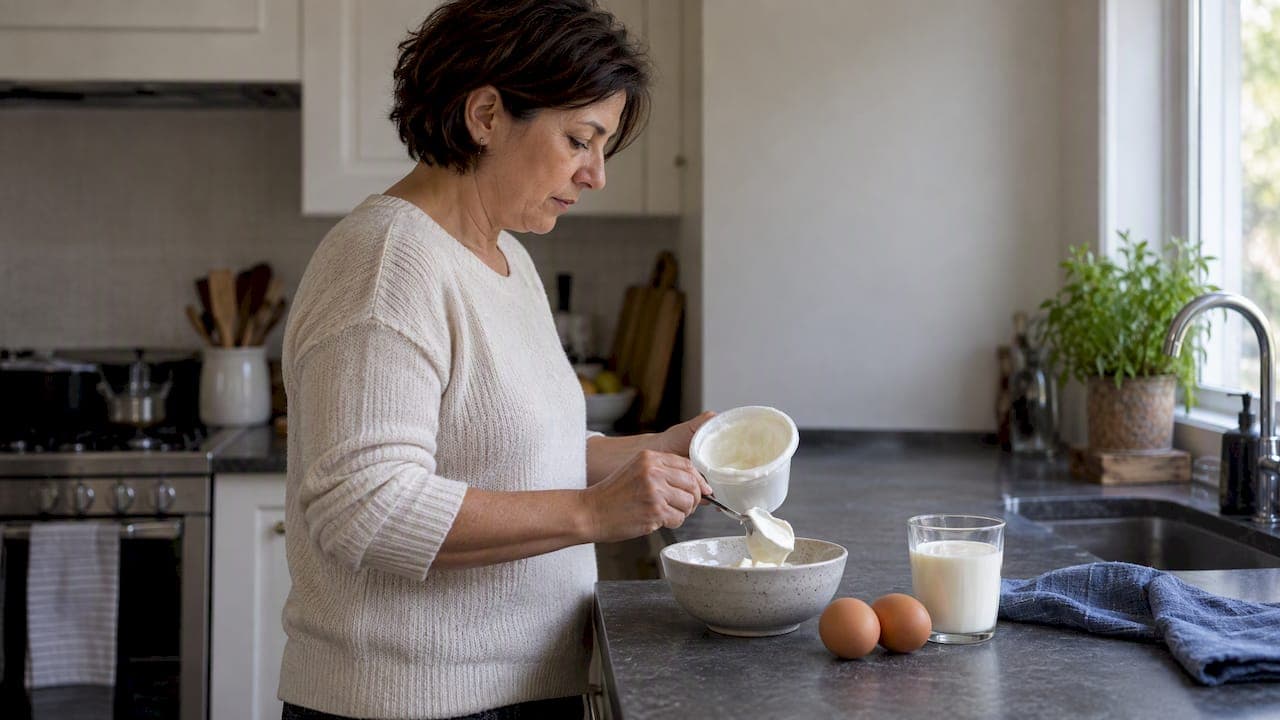
Aim for a moderate to moderately-high range of protein intake per kilogram of body weight each day while on semaglutide, a target commonly used by clinicians during active weight loss. Spread that protein across meals and pair it with resistance training to protect lean mass. Older adults and women on semaglutide may lose a higher share of lean mass, so closer monitoring and a conversation with your prescriber matter.
TL;DR:
- Most adults should aim for 1.2 to 1.6 grams of protein per kilogram of body weight daily, distributed across three to four meals.
- Consuming 25 to 40 grams of protein per meal helps maintain lean mass, especially in older adults who experience anabolic resistance.
- Combining adequate protein intake with resistance training and regular monitoring can help preserve muscle during semaglutide treatment.
- Reduced appetite on semaglutide makes liquid protein and strategic meal timing essential for meeting protein goals.
- Consult your healthcare provider if you experience weakness or can't meet your protein and exercise targets to adjust your plan safely.
Table of Contents
- How to calculate your personal protein target
- What the research says about semaglutide and lean mass loss
- Tactics to hit your protein goals when your appetite is gone
- Resistance training and monitoring to protect muscle and function
- Supplements and meal replacements worth considering
- When to contact your prescriber or dietitian
- A food-first approach, built for the long run
- How Dayla Health supports your protein and muscle goals
- FAQ
- Sources
How to calculate your personal protein target
Start by converting your weight to kilograms: divide pounds by 2.2. A person weighing 180 pounds is about 82 kilograms, so a 1.2 to 1.6 g/kg target means roughly 98 to 131 grams of protein daily. That range sits well above the standard 0.8 g/kg RDA, which was set for nitrogen balance in sedentary adults, not for people losing weight on GLP-1 therapy.

Per-meal distribution matters as much as the daily total. Most adults benefit from 25 to 40 grams per meal, and a narrative review on lean mass preservation notes that older adults may need 30 to 40 grams per meal to overcome anabolic resistance, the reduced muscle response to protein that comes with age.
Practical equivalents make this easier to hit:
- Three large eggs plus a slice of cheese supply about 25 grams.
- A cup of plain Greek yogurt delivers close to 20 grams.
- A 4-ounce serving of cooked chicken or salmon provides roughly 30 grams.
- A whey protein shake adds 20 to 30 grams in a glass.
A sample day built on these foods, spread across three meals and a snack, reaches the daily target without requiring large volumes of food.
What the research says about semaglutide and lean mass loss
Semaglutide and related GLP-1 medications reduce fat mass more than lean mass, but the lean-mass loss is real and measurable. DXA-subset data summarized in a case series on lean soft tissue changes shows lean soft tissue often makes up roughly 26% to 40% of total weight lost in trials of semaglutide and tirzepatide.
A narrative review recommends combining adequate protein, structured resistance exercise, and ongoing monitoring to protect muscle during GLP-1 treatment, a shift from judging weight loss by the scale alone toward judging it by what kind of weight comes off, according to the review on lean mass and musculoskeletal preservation.
Case-level data in the same lean soft tissue analysis found that patients who combined higher protein intake with resistance training tended to preserve or even increase lean soft tissue despite ongoing fat loss. That pattern is encouraging, but it comes from case series and trial subsets, not large randomized trials designed specifically to test protein dosing. DXA and bioelectrical impedance analysis (BIA) estimate lean tissue, not skeletal muscle directly, so the numbers are useful trends rather than precise measurements of muscle itself. Larger, purpose-built trials would sharpen these targets considerably.
Tactics to hit your protein goals when your appetite is gone
Reduced appetite is the real obstacle, not a lack of willpower. The fix is choosing foods that pack protein into less volume and building a routine that doesn't depend on hunger showing up on schedule.
Eat your largest protein serving when your appetite is strongest, which for most people on semaglutide is the morning. A Harvard Health review of protein-rich breakfasts found that higher-protein morning meals help curb hunger later in the day, making a 40 to 50 gram breakfast, such as eggs with Greek yogurt or a protein smoothie with milk and fruit, a smart anchor for the day.
Keep liquid protein on hand as a backup. Whey protein isolate or a well-tested plant blend works reliably on days when solid food feels like too much. Collagen peptides are popular but lack the full amino acid profile needed to build muscle, so they should never stand in as your only protein source.
A protein-first day can follow a simple sequence:
- Weigh yourself in the morning and note any GI symptoms.
- Eat a 40 to 50 gram protein breakfast within an hour of waking.
- Pack a shake or protein bar for midday in case appetite drops.
- Build dinner around a palm-sized portion of fish, poultry, or tofu.
- Log your rough protein total before bed to catch shortfalls early.
GI side effects like nausea or early fullness can derail even a solid plan; a clinic guide to managing GLP-1 GI side effects covers practical steps for working around those symptoms without abandoning your protein goals.
Pro Tip: Keep single-serve protein shakes in your bag or car so a skipped meal never becomes a skipped protein target.

Resistance training and monitoring to protect muscle and function
Protein alone will not preserve muscle. Resistance training signals your body to use that protein for maintenance rather than letting it go to waste. Aim for two to three sessions per week with progressive overload, meaning you gradually increase weight, reps, or sets as you get stronger. Bodyweight squats, rows, and push-ups are a reasonable starting point if you're new to lifting.
Monitoring helps you catch problems before they become setbacks:
- Track simple functional tests like sit-to-stand repetitions or grip strength over time.
- Ask your clinician about BIA or DXA scans if rapid weight loss or weakness raises concern.
- Log protein intake and strength trends monthly rather than daily to spot real patterns.
- Reassess your targets during dose increases, periods of rapid early weight loss, or any drop in appetite or strength.
A guide to resistance training with GLP-1 medications walks through beginner-friendly programs built around this exact approach.
Supplements and meal replacements worth considering
Food should come first, but supplements fill real gaps when appetite or time runs short.
- Whey protein isolate works well for most people; soy or pea protein are solid options for those avoiding dairy.
- Creatine and leucine or HMB have supporting evidence for muscle retention in broader weight-loss and aging research, according to a review of supplements and muscle preservation, though direct trials in GLP-1 users remain limited.
- Check product quality and third-party testing before buying, and anyone with kidney disease should discuss creatine and high protein intake with a clinician first.
When to contact your prescriber or dietitian
Reach out if you notice a rapid drop in strength or stamina, ongoing inability to meet your intake goals, or unplanned weakness that affects daily tasks. These are signals that your current plan needs adjusting, not something to push through alone.
- Ask about labs such as a basic metabolic panel, B12, and iron if fatigue or weakness develops.
- Request a DXA or BIA scan if your clinician suspects meaningful lean-mass loss.
- Bring your protein and strength log to appointments so dose changes can be discussed against real data.
- Flag any dose titration that coincides with worsening appetite or new GI symptoms.
The FDA prescribing information for semaglutide outlines the safety monitoring clinicians rely on throughout treatment, and it's a useful reference when preparing questions for your own care team.
A food-first approach, built for the long run
Preserving muscle on semaglutide isn't about eating more. It's about eating smarter within a smaller appetite, and training with purpose rather than hoping the scale tells the whole story. The evidence points toward a simple combination: deliberate protein, consistent resistance work, and monitoring that catches problems early rather than after they've taken hold. Supervised care makes every part of that combination easier to get right.
— Flexible
How Dayla Health supports your protein and muscle goals
The service offers GLP-1 prescription options, including injection, microdose, and needle-free oral delivery, with clinician oversight integrated into the care. Plans include dietitian visits to help tailor protein targets and meal strategies around individual appetite and lifestyle.

This approach fits readers who want more than a prescription mailed to their door: people who want a clinician checking in as doses change and a dietitian helping them hit protein goals without guesswork. Pricing is transparent and cash-based, with no membership fees and flexible cancellation. Explore GLP-1 plans and clinician-supported care at Dayla Health to see which option fits your goals.
This article is general information, not a substitute for advice from a qualified doctor. Consult a qualified healthcare professional about your own circumstances before acting on anything here.
FAQ
How much protein should I eat a day while on semaglutide?
Many clinicians suggest a practical target of 1.2 to 1.6 grams per kilogram of body weight daily, well above the standard 0.8 g/kg RDA used for general nitrogen balance. Spreading that total across three or four meals, with 25 to 40 grams per meal, tends to work better than trying to eat it all at once.
Is 100 grams of protein a day good for weight loss?
It depends on body weight and targets of roughly 1.2 to 1.6 g/kg. Individual protein needs vary depending on weight and goals, so your personal target depends on those factors.
How can I speed up weight loss on semaglutide?
Weight loss speed depends on dose, diet quality, and individual response, and your prescriber is the right person to adjust these safely. Pairing adequate protein with resistance training supports fat loss while protecting muscle, which tends to produce better long-term results than focusing on speed alone.
What should I avoid combining with semaglutide?
Alcohol and high-fat, high-sugar meals can worsen GI side effects like nausea and slow stomach emptying further. Always check with your prescriber before starting new supplements or medications, since interactions can vary by individual health history.
Sources
- Lean Mass and Musculoskeletal Preservation in GLP-1-Based Obesity Treatment: Nutrition, Exercise, Supplementation, and Monitoring Strategies - PubMed
- Case series and discussion of lean soft tissue changes with GLP-1 therapies - PMC
- FDA prescribing information for semaglutide (label)