

Anti-aging peptide therapy is defined as the clinical use of short-chain amino acid sequences that signal biological processes to improve skin regeneration, collagen production, and tissue repair. The most studied anti-aging peptide therapy examples include GHK-Cu, BPC-157, CJC-1295 combined with Ipamorelin, and Epitalon. Each targets a distinct aging pathway, from gene expression to telomere regulation. A 2026 systematic review of 19 randomized controlled trials confirmed that oral peptides improve skin hydration, brightness, and wrinkle appearance in measurable ways. The FDA also removed 12 peptides from compounding restrictions in early 2026, expanding access for adults who want medically supervised options.
1. What are the top anti-aging peptide therapy examples?
The nine most studied peptides for anti-aging each target a different biological mechanism. Understanding what each one does helps you match the right therapy to your goal.
-
GHK-Cu (Copper Peptide): GHK-Cu regulates up to 30% of human genes involved in skin regeneration and aging. It stimulates collagen I and III, elastin, and fibronectin production, promotes angiogenesis, and acts as an antioxidant to reverse aging phenotypes. This makes it one of the most studied peptides for skin rejuvenation and firmness.
-
BPC-157 (Body Protection Compound): BPC-157 promotes tissue repair and regeneration. It shows strong results in animal models for soft tissue healing, tendon repair, and gut lining restoration. Human long-term safety data remains limited, so medical supervision is required.
-
TB-500 (Thymosin Beta-4): TB-500 works alongside BPC-157 to accelerate tissue repair and reduce inflammation. It is often used in combination protocols targeting recovery and skin healing.
-
CJC-1295 + Ipamorelin: These two growth hormone secretagogues work together to stimulate the body's natural release of growth hormone. They improve muscle tone, reduce body fat, and support skin elasticity. Effects typically appear after 4–8 weeks of consistent use.
-
Epitalon: Epitalon is a telomere-modulating peptide that promotes cellular longevity by activating telomerase. It targets one of the root biological causes of aging at the cellular level.
-
Semax: Semax is a neuroprotective peptide that supports cognitive function, focus, and neurological resilience. Adults in their 40s and 50s increasingly include it in anti-aging protocols alongside skin-focused peptides.
-
Bremelanotide (PT-141): PT-141 targets sexual health by activating melanocortin receptors. It is sometimes included in broader anti-aging regimens addressing vitality and hormonal balance.
-
Tirzepatide: Tirzepatide is a dual GIP and GLP-1 receptor agonist with strong FDA approval for metabolic health. It represents the most clinically validated peptide class in anti-aging adjacent medicine.
Peptides regulate aging by targeting diverse biological pathways including telomere extension, oxidative stress reduction, neuroprotection, metabolic enhancement, and extracellular matrix remodeling. That breadth explains why no single peptide addresses all aging concerns.
2. How effective is peptide therapy for skin aging?
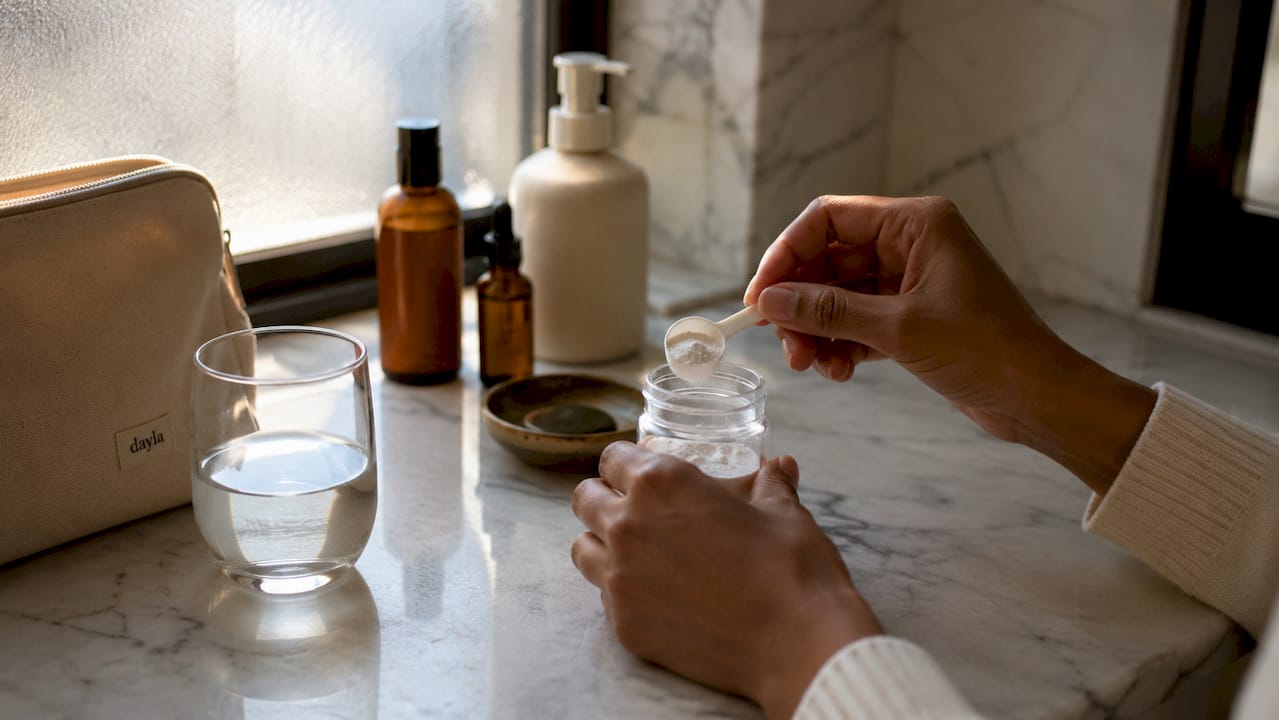
Clinical evidence for peptide treatments for aging is strongest in the area of skin health. A 2026 systematic review and meta-analysis analyzed 19 randomized controlled trials involving 1,341 participants. Oral peptides significantly improved skin hydration and brightness, with a mean difference in wrinkle reduction of 0.27 (p=0.04). Oral polypeptide formulations showed a mean difference of 1.5 (p=0.01), making them the strongest-performing delivery category in the review.
| Outcome Measure | Oral Peptides | Topical Peptides |
|---|---|---|
| Skin hydration | Significant improvement | Moderate improvement |
| Skin brightness | Significant improvement | Moderate improvement |
| Wrinkle reduction | Modest (MD=0.27) | Limited evidence |
| Skin density | Moderate improvement | Less effect |
| Elasticity | Improved | Variable |
Topical peptides contribute to surface-level improvements but show less effect on skin density compared to oral forms. The safety and tolerability profile across trials was favorable, with no serious adverse events reported. The main limitation is the need for larger trials with standardized outcome measures. Most anti-aging claims for newer peptides still rely on preclinical studies in cells or animals, with human confirmation still sparse.
Pro Tip: If you are comparing peptide products for skin aging, prioritize oral polypeptide formulations with published clinical data over topical serums making broad anti-aging claims without trial support.
3. What delivery methods are available for peptide therapy?
Peptide delivery methods fall into three main categories: injectable, oral, and topical. Each has distinct absorption characteristics and practical trade-offs.
Injectable peptides offer the fastest and most potent absorption. Growth hormone secretagogues like CJC-1295 and Ipamorelin are almost always administered by subcutaneous injection. Injectables bypass digestive breakdown, delivering the peptide directly into circulation. They require a licensed provider for prescription and administration guidance.
Oral peptides are the most convenient option and carry the strongest clinical evidence for skin benefits. The 2026 meta-analysis found oral polypeptides outperformed other forms on hydration and brightness measures. Absorption is slower and more systemic, but the evidence base is growing.
Topical peptides include signal peptides like Matrixyl (palmitoyl pentapeptide-4) and Argireline (acetyl hexapeptide-3), which target the skin surface to stimulate collagen synthesis and reduce expression lines. They are widely available in serums and creams without a prescription. Their effects are real but more limited in scope compared to injectable or oral forms.
- Injectables: fastest results, require medical oversight, most regulated
- Oral: convenient, clinically supported for skin, systemic effects
- Topical: accessible, surface-level benefits, no prescription needed
The FDA's removal of 12 peptides from compounding restrictions in early 2026 has expanded access to injectable options through licensed compounding pharmacies. Authorization status for several peptides remains under committee review as of july 2026.
Pro Tip: Always source injectable peptides from a licensed compounding pharmacy. Products labeled "for research use only" may not meet pharmaceutical standards and carry real quality control risks.
4. What safety considerations should you know about peptide therapy?
Safety in peptide therapy depends heavily on which peptide you use, how it is sourced, and whether a licensed provider oversees your protocol. The evidence base varies widely across the anti-aging peptides list.
- FDA-approved peptides (GLP-1 class): GLP-1 agonists like semaglutide have robust safety and efficacy data from large-scale human trials. They are the exception, not the rule, in the peptide world.
- BPC-157 theoretical risks: BPC-157 may carry unconfirmed risks including potential stimulation of precancerous cells. Animal model evidence is strong, but human long-term safety is unknown.
- Research-grade products: Many marketed peptides lack quality control and third-party verification. Products sold "for research use only" may contain impurities or be mislabeled compared to licensed pharmacy products.
- Monitoring for growth hormone peptides: IGF-1 levels serve as the primary efficacy biomarker for CJC-1295 and Ipamorelin. Liver and kidney function monitoring is advised during use.
- Regulatory changes in 2026: The FDA removed 12 peptides including BPC-157, TB-500, and Epitalon from compounding restrictions in early 2026. The Pharmacy Compounding Advisory Committee reviewed their authorization status on july 23–24, 2026.
"Many anti-aging peptides lack rigorous human dosage and frequency studies. Careful patient evaluation and professional oversight are not optional. They are the minimum standard for responsible use." — Therapeutic Peptides in Aesthetic, Metabolic and Endocrine Conditions
The benefits of peptide therapy are real, but so are the gaps in long-term safety data. Working with a licensed provider is the single most important step you can take to use these therapies responsibly.
5. How to choose the right peptide therapy for your anti-aging goal
Matching a peptide to your goal requires clarity on what you want to address. Different peptides target different aging processes, and combining them without guidance adds risk.
- Skin appearance and collagen: GHK-Cu is the strongest candidate. It directly stimulates collagen and elastin production and improves skin firmness and wrinkle appearance. Available as injectable or topical.
- Tissue repair and recovery: BPC-157 and TB-500 are the primary options. They suit adults dealing with joint issues, slow healing, or post-exercise recovery alongside anti-aging goals. Access them through recovery-focused peptide programs.
- Muscle tone and body composition: CJC-1295 combined with Ipamorelin targets growth hormone release. This combination suits adults in their 40s and 50s experiencing age-related muscle loss and fat gain. Daylahealth offers growth hormone peptide protocols with licensed provider oversight.
- Cognitive support: Semax suits adults prioritizing brain health alongside physical anti-aging. It is available through cognitive peptide programs with medical guidance.
- Cellular longevity: Epitalon targets telomere health and suits adults focused on long-term biological aging rather than immediate cosmetic results.
- Sexual health and vitality: PT-141 suits adults addressing hormonal vitality as part of a broader anti-aging protocol.
Combination protocols are common but require professional design. Stacking multiple peptides without medical oversight increases the risk of interactions and side effects. Budget, delivery method preference, and legal availability in your state all factor into the final choice.
Key Takeaways
Peptide therapy for anti-aging works best when you match a clinically supported peptide to a specific goal and use it under licensed medical supervision.
| Point | Details |
|---|---|
| GHK-Cu leads for skin | It regulates up to 30% of human genes and directly stimulates collagen and elastin production. |
| Oral peptides have the strongest skin data | A 2026 meta-analysis of 19 RCTs confirmed significant hydration and brightness improvements. |
| Injectable peptides need medical oversight | Growth hormone secretagogues require 4–8 weeks and IGF-1 monitoring for safe, effective use. |
| Source matters for safety | Licensed compounding pharmacy peptides meet pharmaceutical standards; research-grade products often do not. |
| Match peptide to goal | Skin, recovery, cognition, and longevity each have distinct peptide candidates with different evidence levels. |
What I have learned from watching the peptide space evolve
The peptide world moves fast, and the marketing moves even faster. After following the clinical literature and regulatory changes closely, one pattern stands out: the gap between what peptides are claimed to do and what the evidence actually confirms is still wide for most of the anti-aging peptides list.
GHK-Cu and the GLP-1 class are the clearest examples of peptides with real, reproducible data behind them. The 2026 systematic review on oral peptides was a meaningful step forward for skin-focused therapy. But for peptides like BPC-157 and Epitalon, the honest answer is that we are still working from animal models and early human observations. That does not make them useless. It means you should approach them with calibrated expectations, not the certainty that some marketing implies.
The FDA's 2026 regulatory changes are genuinely good news. They expand access through licensed compounding pharmacies, which means better quality control and medical oversight for more people. That is the right direction. What concerns me is the parallel growth of unregulated "research use only" products that fill the same market with none of the safeguards.
My practical advice: start with the peptides that have the clearest evidence for your specific goal. Get baseline labs. Work with a provider who monitors your response. The adults who get the most from peptide therapy are not the ones who stack the most peptides. They are the ones who use fewer, well-chosen peptides with consistent monitoring and honest assessment of results.
— Flexible
Daylahealth peptide therapy: doctor-led, personalized care
Daylahealth offers a range of peptide therapy options designed for adults who want medically supervised anti-aging protocols, not guesswork. Whether your goal is skin rejuvenation with GHK-Cu, growth hormone support with CJC-1295 and Ipamorelin, or cellular longevity with Epitalon, Daylahealth connects you with licensed providers who design your protocol based on your labs and health history.

Every Daylahealth peptide program includes provider consultation, prescription pathways through licensed compounding pharmacies, and ongoing monitoring. You get access to injectable GHK-Cu and other clinically supported peptides with the quality controls that research-grade products simply cannot offer. If you are ready to move from research to a personalized plan, Daylahealth is built for exactly that.
FAQ
What are the most studied anti-aging peptides?
GHK-Cu, BPC-157, CJC-1295, Ipamorelin, and Epitalon are among the most studied peptides for anti-aging. GHK-Cu has the strongest skin-specific evidence, regulating up to 30% of human genes involved in skin regeneration.
How does peptide therapy work for skin aging?
Peptides signal skin cells to produce more collagen, elastin, and fibronectin, which reduces wrinkle depth and improves firmness. A 2026 meta-analysis confirmed oral peptides significantly improve hydration and brightness in clinical trials.
Are anti-aging peptides safe to use?
Safety depends on the peptide, the source, and whether a licensed provider supervises use. GLP-1 peptides have robust FDA-approved safety data; most aesthetic peptides have limited long-term human trial data and require medical oversight.
How long does it take to see results from peptide therapy?
Growth hormone secretagogues like CJC-1295 and Ipamorelin typically require 4–8 weeks before noticeable effects appear. Skin-focused peptides may show hydration and brightness improvements within a similar timeframe with consistent use.
Can you combine multiple anti-aging peptides?
Combination protocols are used clinically, but stacking peptides without medical guidance increases the risk of interactions and side effects. A licensed provider should design and monitor any multi-peptide protocol.