
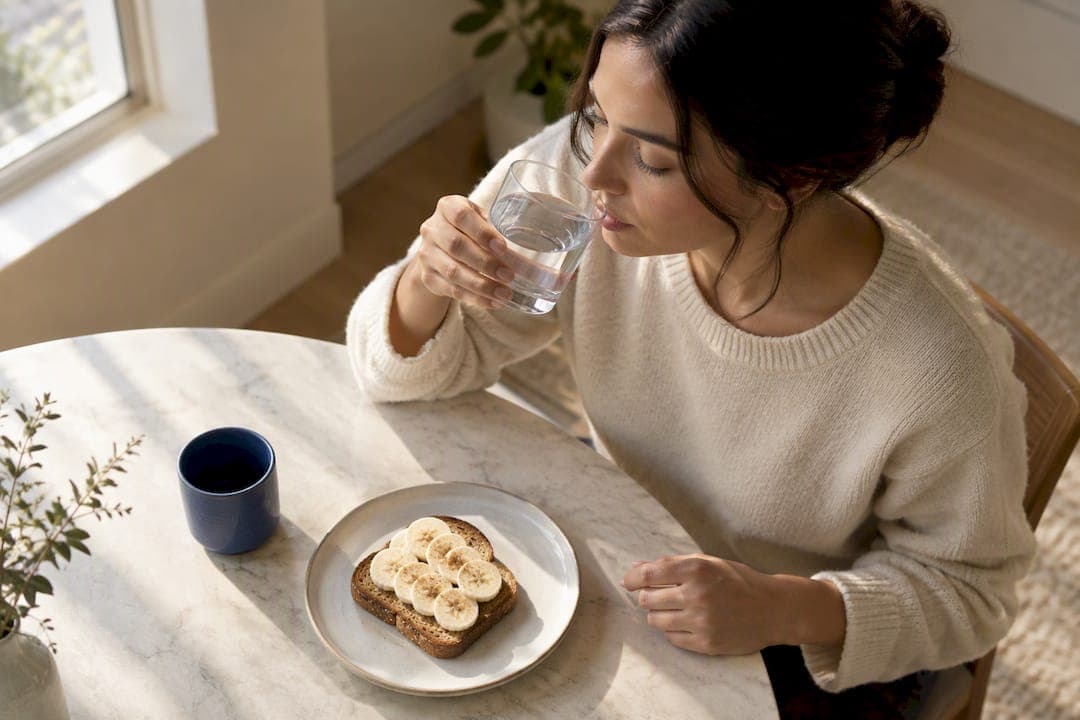
The best way to reduce semaglutide nausea is slower, flexible dose titration paired with targeted diet and behavior changes. Add short-term antiemetic support only if those steps fall short. Nausea is usually dose-related and tends to ease with time or a dose adjustment, but talk to your prescriber before changing anything on your own.
TL;DR:
- Slower, flexible dose titration combined with targeted diet and behavior changes significantly reduces semaglutide-associated nausea.
- Nausea most commonly peaks 24 to 72 hours after injection or dose increases and often subsides within four to eight weeks at a stable dose.
- Small, frequent, low-fat meals and staying upright after eating are proven strategies to minimize gastrointestinal discomfort during treatment.
- Gradual dose escalation, pausing or extending intervals, and monitoring symptoms help manage nausea effectively, with medication or antiemetics as a last resort.
- Supervised support from clinicians and dietitians is crucial to adjust plans based on individual responses and avoid pushing through severe symptoms alone.
Table of Contents
- What Causes Semaglutide Nausea, and When Does It Usually Happen?
- What Diet and Behavior Changes Actually Reduce Nausea?
- How Should You Manage Dosing to Avoid Nausea?
- When Do Antiemetics and Ginger Actually Help?
- A Sample Plan for Injection Day and the Days After
- When Does Nausea Become a Medical Emergency?
- How Does Dayla Health Support Titration and Nausea Management?
- Tolerability Should Drive Your Dosing, Not the Calendar
- Get Supervised Support for Semaglutide Titration
- Sources
- FAQ
What Causes Semaglutide Nausea, and When Does It Usually Happen?
Semaglutide slows how fast food leaves your stomach. That delayed gastric emptying is the main reason meals sit heavier than usual, and it works alongside a second mechanism: the drug also acts on nausea-signaling pathways in the brainstem, the same circuitry involved in motion sickness. Both effects are part of how semaglutide reduces appetite, so some queasiness is a sign the medication is doing what it's designed to do, not a sign something has gone wrong.

Nausea clusters around two windows: right after you start semaglutide, and again each time your dose goes up. The FDA prescribing information confirms nausea is the most frequently reported side effect, with rates in clinical trials ranging from roughly 15% to 44% depending on the dose, and adverse events concentrate most heavily during escalation. Symptoms typically settle within a few weeks of holding steady at a dose, as your gut adjusts to the slower emptying rate.
A few patterns are worth knowing going in:
- Nausea often peaks 24 to 72 hours after an injection, especially early in treatment or right after a dose increase.
- Most people see meaningful improvement within 4 to 8 weeks once they're stable at a given dose.
- Symptoms that persist beyond 8 to 12 weeks at a stable dose deserve a conversation with your clinician rather than continued waiting.
- Individual response varies widely. Body weight, meal habits, and how quickly you were titrated all play a role.
What Diet and Behavior Changes Actually Reduce Nausea?
Food choices and eating habits do more heavy lifting against semaglutide nausea than most people expect. Clinical nutrition counseling used in major GLP-1 trials centered on three changes: smaller meals, lower-fat composition, and slower eating. Those same three habits remain the most reliable first-line defense, according to dietary guidance built from that trial counseling.
Eat smaller, more frequent meals. A stomach that empties slowly can't handle the volume it used to. Five or six small meals spread across the day put far less pressure on your gut than three large ones. Stop eating at the first sign of fullness, not when your plate is empty. Overshooting fullness is one of the fastest routes to nausea on semaglutide.
Favor lower-fat, lower-volume foods, especially during titration. Fat slows digestion even further, compounding the drug's own effect on gastric emptying. Foods that tend to sit well include:
- Plain grilled chicken or fish, rice, toast, crackers, and broth-based soups
- Bananas, applesauce, and other low-fiber fruits
- Scrambled eggs, oatmeal, and Greek yogurt
- Plain pasta or potatoes without heavy sauces or butter
Foods that commonly trigger symptoms include fried items, creamy sauces, fatty red meat, greasy fast food, and anything heavily spiced or very sugary. During the first few days after a dose increase, treat your menu like you're recovering from a stomach bug: bland, small, and frequent.
Hydrate by sipping, not gulping. Large volumes of liquid distend an already slow stomach and can trigger nausea instead of relieving it. Clinician guidance recommends small, frequent sips throughout the day rather than chugging a full glass of water at once. Room-temperature or cool water, weak ginger tea, and electrolyte drinks all work. Carbonated beverages and very cold liquids trigger discomfort for some people, so test what your body tolerates.
Stay upright after eating. Lying down right after a meal makes reflux and nausea worse because it slows things down even further at a time when your stomach is already struggling to keep pace. Give yourself at least 30 to 60 minutes upright, whether that means sitting, standing, or taking a short walk.
On injection day and the day after, keep meals light and simple. Many people find that eating a small, bland meal before their injection rather than injecting on an empty stomach helps steady things. Avoid scheduling a heavy dinner, alcohol, or a rich restaurant meal on injection night. Save that for a day when your stomach has had time to catch up.
Pro Tip: Keep a small notebook or phone note tracking what you ate, when you injected, and how you felt over the next 48 hours. Patterns show up fast, and that record becomes genuinely useful information for your prescriber when it's time to talk about your next dose.
For a deeper breakdown of meal planning across the full course of treatment, Dayla Health's guide to diet on GLP-1 medications covers meal timing and food swaps in more detail than fits here.
How Should You Manage Dosing to Avoid Nausea?
"Start low, go slow" isn't just a slogan. It's the single evidence-backed lever with the strongest effect on nausea outcomes. Trial and flex-titration analyses show that slower, more flexible dose escalation schedules produce lower nausea rates, shorter symptom duration, and far fewer people quitting treatment altogether because of gastrointestinal side effects, compared with fixed, standard escalation timelines.
If nausea shows up after a dose increase, you have real options, and none of them mean failure:
- Stay at your current dose for extra weeks before moving up again. There is no medical requirement to advance on a fixed schedule if your body needs more time.
- Extend the interval between increases. Instead of the standard four-week jump, some patients do better spacing increases six or eight weeks apart.
- Step back to your last tolerated dose if nausea becomes severe or you start vomiting, then hold there before attempting another increase.
- Treat your maximum tolerated dose as a legitimate maintenance target. Reaching the highest labeled dose is not required for meaningful weight loss or blood sugar improvement.
Clinicians typically grade nausea severity to decide which option fits: mild nausea that doesn't affect eating usually means continue and reassess; moderate nausea that cuts into appetite or daily function often calls for pausing escalation; and nausea severe enough to block adequate fluid or food intake means dropping back to the last tolerated dose and addressing symptoms medically before trying again.
Bring specifics to that conversation. Instead of saying "I feel nauseous," try: "Nausea started about 36 hours after my last injection and lasted three days. I could eat about half my normal meals." That level of detail lets your prescriber match the titration strategy to what you're actually experiencing, rather than guessing. Dayla Health's explainer on why GLP-1 medications cause nausea is a useful resource to review before that appointment.

When Do Antiemetics and Ginger Actually Help?
Diet changes and slower titration solve most cases. When they don't, a short list of additional tools comes into play, always with your prescriber involved.
Ondansetron (Zofran) is the most commonly used prescription antiemetic for GLP-1 nausea in practice. A typical short-term approach uses a low dose, often 4 mg, taken around the time nausea is expected, such as before an injection or during the first days after a dose increase, according to practice-based GLP-1 management guidance. It's generally used for days, not indefinitely, as a bridge while your body adjusts.
Other antiemetics, including certain antihistamines and promethazine, come up occasionally but carry sedation risk and interact with other medications, so they require closer prescriber input than ondansetron typically does.
Ginger is the strongest nonprescription option on the list. There's no GLP-1-specific randomized trial data yet, but ginger has consistent evidence across other types of nausea and is widely recommended by clinicians as a low-risk first step before reaching for a prescription antiemetic. It comes in several usable forms:
- Fresh ginger tea, steeped from sliced root
- Crystallized ginger chews or hard candies
- Standardized ginger capsules, typically 250 to 500 mg
One safety note that's easy to overlook: because semaglutide slows gastric emptying, it can change how quickly oral medications get absorbed. That includes birth control pills, thyroid medication, and other daily prescriptions. Review your full medication list with your prescriber rather than assuming timing doesn't matter.
A Sample Plan for Injection Day and the Days After
Turning all of this into an actual routine helps more than reading advice in the abstract. Here's a simple framework to adapt for injection day and the 48 hours that follow, especially during your first weeks on a new dose:
- Morning of injection: Eat a small, bland breakfast, like toast with a banana or plain oatmeal. Avoid injecting on a completely empty stomach.
- Injection timing: Many people do better injecting in the evening, so peak nausea hits overnight rather than during work or family time. Test what fits your schedule.
- Rest of injection day: Keep meals small and low-fat. Sip water or ginger tea throughout the day instead of drinking large amounts at once.
- Day one after injection: Stick with bland, familiar foods. Crackers, rice, broth, and scrambled eggs are safe defaults. Skip alcohol and fried food entirely.
- Day two after injection: If nausea has faded, ease back toward your normal diet. If it hasn't, keep meals light for one more day.
- If nausea escalates instead of easing, pause any planned dose increase, add ginger or a prescriber-approved antiemetic, and call your clinician rather than pushing through.
Dayla Health's guidance on semaglutide injection sites covers rotation and technique that can also reduce site-related discomfort feeding into how you feel overall that day.
When Does Nausea Become a Medical Emergency?
Most semaglutide nausea is uncomfortable, not dangerous. A specific set of warning signs, though, means it's time to stop waiting it out.
- Vomiting that continues for more than 24 hours or leaves you unable to keep fluids down.
- Severe, persistent abdominal pain, particularly pain radiating to your back, which can signal pancreatitis.
- Signs of dehydration: dark urine, dizziness when standing, or a noticeably dry mouth.
- Fever paired with vomiting or abdominal pain.
The FDA label specifically warns that GI side effects causing dehydration have been linked to acute kidney injury in postmarketing reports, which is why fluid loss gets taken seriously rather than dismissed as routine. If you hit any of these signs, call your prescriber the same day, and don't wait for an office visit if symptoms are severe. Urgent care or an emergency room is appropriate if you can't reach anyone and you're unable to keep fluids down.
How Does Dayla Health Support Titration and Nausea Management?
Managing nausea well usually comes down to having someone adjust your plan in real time, not just handing you a printed dosing schedule. Dayla Health's GLP-1 programs build that adjustment into the care itself.
- Clinician evaluation and ongoing oversight, so dose changes reflect how you're actually tolerating treatment, not a fixed calendar.
- Free dietitian visits to work through the meal and hydration strategies covered above with someone who knows your history.
- Flexible titration options across injection, microdose, and needle-free oral formats, so your plan can shift if nausea becomes a limiting factor.
- Care coaching to help you track symptoms and flag red flags before they become urgent.
Always consult a clinician before changing your dose or adding any medication on your own, supervised program or not.
Tolerability Should Drive Your Dosing, Not the Calendar
The instinct to push through nausea and "catch up" to a target dose is common, and it's often backwards. Reaching a dose you can sustain without dreading every injection is a legitimate finish line, not a compromise. If you're skipping meals, canceling plans, or watching the clock between doses, that's information your prescriber needs, not a personal failure to manage.
Track your symptoms honestly and bring them to every appointment. One practical move clinicians sometimes suggest before jumping to a prescription antiemetic: shift your injection to the evening or adjust it around your typical meal schedule, then see if a few days of ginger tea handles the rest.
— Flexible
Get Supervised Support for Semaglutide Titration
If nausea has you second-guessing your semaglutide dose, guessing your way through titration alone is exactly the wrong time to do it solo. Dayla Health builds clinician oversight and dietitian access directly into its GLP-1 programs, so dose changes come from a real evaluation of how you're tolerating treatment, not a generic four-week schedule.
Every plan includes ongoing clinician access to adjust your titration pace, free dietitian consults to work through the food and hydration strategies covered above, and flexible delivery formats if one method suits your stomach better than another. Options include GLP-1 Injection starting from $179 per month, GLP-1 Microdose from $159 per month, and Oral GLP · Liposomal from $149 per month for those who prefer a needle-free option. Cancellation policies are flexible.
Before making any dose or medication change, talk to your prescriber first. If you're ready to explore a supervised GLP-1 program built around your actual tolerability, not a one-size-fits-all schedule, you can start an evaluation with Dayla Health today.
This article is general information, not a substitute for advice from a qualified doctor. Consult a qualified healthcare professional about your own circumstances before acting on anything here.
Sources
- OZEMPIC (semaglutide) prescribing information - Highlights/Label (2025)
- Ozempic and Nausea: Relief Tips and Red Flags — Healthline
- GLP-1 nausea: evidence-based management strategies — Telehealth Ally
FAQ
How Long Does Semaglutide Nausea Last?
Nausea typically peaks during dose escalation and improves within 4 to 8 weeks of holding at a stable dose. If it persists beyond 8 to 12 weeks without improvement, tell your prescriber, since that pattern usually calls for a titration adjustment rather than continued waiting.
Why Does Semaglutide Make Me Feel So Sick?
Semaglutide slows gastric emptying and also acts on nausea-signaling pathways in the brain, both tied to how it reduces appetite. Nausea tends to spike right after starting treatment and after each dose increase, then ease as your body adjusts.
Can I Take Zofran With Semaglutide?
Ondansetron, sold as Zofran, is commonly prescribed short-term for GLP-1 related nausea when diet and behavior changes aren't enough. It requires prescriber oversight to confirm the dose and timing fit your situation, so don't add it without that conversation.
Where Is the Best Place to Inject Semaglutide to Avoid Nausea?
No injection site prevents nausea directly, since the effect comes from the medication itself rather than injection location. Rotating between approved sites, such as the abdomen or thigh, and using proper technique reduces site discomfort, which Dayla Health covers in its injection site guide.
Does Dayla Health Adjust My Dose If I Have Bad Nausea?
Yes. Dayla Health's GLP-1 programs include ongoing clinician oversight, which means your titration pace can be extended or paused based on how you're tolerating treatment rather than a fixed schedule. Plans start at $149 per month depending on the format you choose.